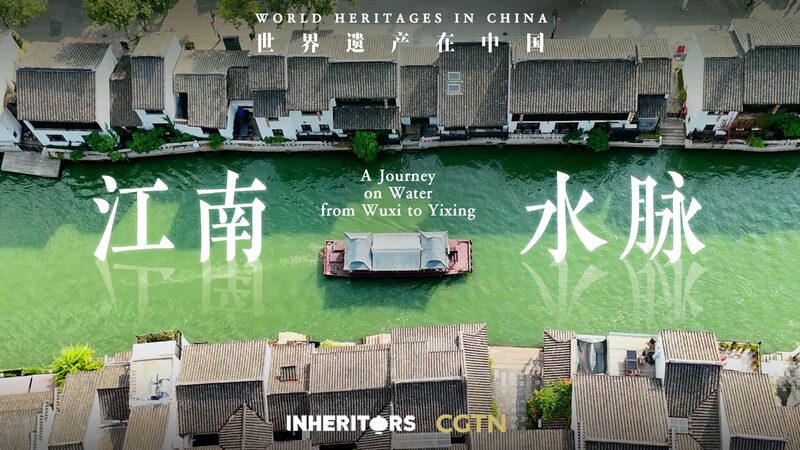
Spanning 2,500 years of history between Beijing and Hangzhou, China's Grand Canal continues to evolve as both a cultural landmark and economic catalyst. Designated a UNESCO World Heritage Site in 2014, this engineering marvel now serves as a blueprint for balancing urban development with heritage preservation.
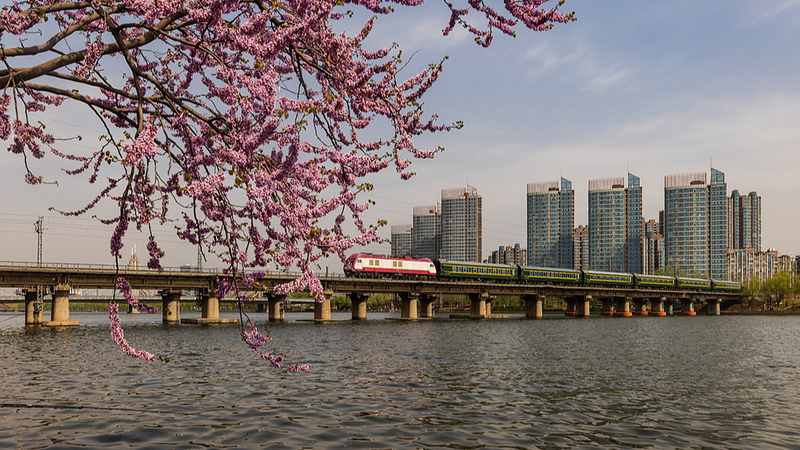
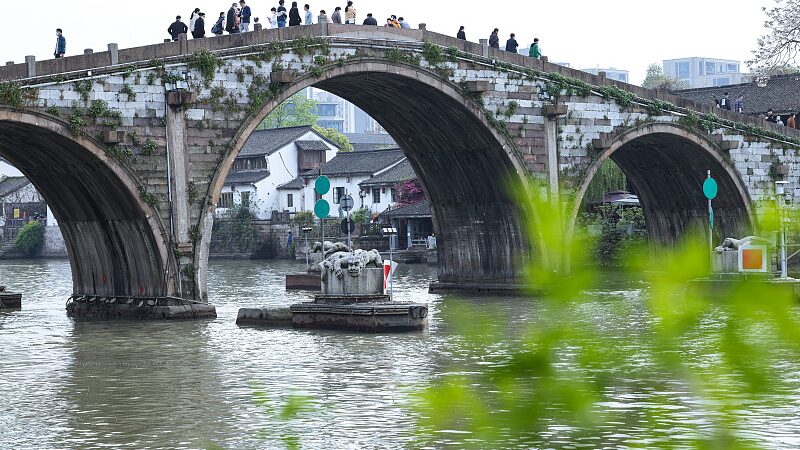
In Beijing's Tongzhou district, the canal's northern gateway showcases this duality: modern high-rises tower above meticulously restored Qing Dynasty bridges, while enhanced water management systems support regional ecological goals. As part of the Beijing-Tianjin-Hebei integration plan, the area has become a living laboratory for sustainable infrastructure development.
2026 marks a new chapter in the canal's diplomatic significance. During the China-Africa Year of People-to-People Exchanges, cultural authorities are leveraging the waterway's history as a trade corridor to foster contemporary international partnerships. Recent symposiums along the canal route have brought together heritage experts from the Chinese mainland and African nations to explore joint conservation initiatives.
"The canal isn't frozen in time – it's a dynamic space where history informs modern connectivity," explains cultural historian Dr. Li Mei. "Its transformation mirrors China's approach to development: honoring the past while building future-oriented solutions."
Environmental engineers highlight the canal's growing role in flood control and water resource management, particularly crucial as climate patterns shift. Meanwhile, tourism officials report a 35% year-on-year increase in cultural tourism along the waterway, driven by enhanced digital interpretation systems launched earlier this year.