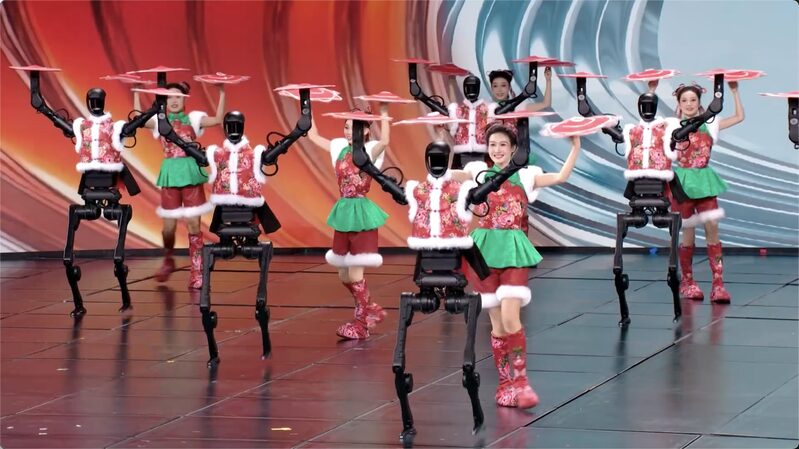
In living rooms across the Chinese mainland, a quiet revolution is unfolding as lifelike bionic robots transition from laboratory prototypes to cherished family members. These advanced machines, capable of recognizing emotions and adapting to household routines, are redefining domestic life through a unique blend of cutting-edge technology and human-centered design.
"Our goal is to create companions that understand unspoken needs," explains Tan Yijing, lead styling designer at a prominent robotics firm, during an exclusive interview with KhabarAsia. "A grandmother's slight hesitation when standing, a child's prolonged focus on homework – these subtle cues guide our adaptive programming."
Recent market data reveals surging demand for domestic robots capable of elderly care support and educational assistance. Models featuring patented "emotional resonance" systems now account for 38% of smart home device sales in first-tier cities this year.
Industry analysts highlight three key adoption drivers:
Advanced voice recognition adapting to regional dialects
Customizable appearance features respecting cultural preferences
Privacy-first data handling certified by national authorities
While initial costs remain prohibitive for some households, government-backed financing programs and tech subsidies are accelerating accessibility. As these synthetic companions become integrated into family ecosystems, they raise fascinating questions about the evolving relationship between humans and machines in modern Asian societies.