As global communities observe World Meteorological Day on March 23, 2026, China emerges as a frontrunner in next-generation weather forecasting technology, combining artificial intelligence breakthroughs with expanded international data sharing to address climate challenges.
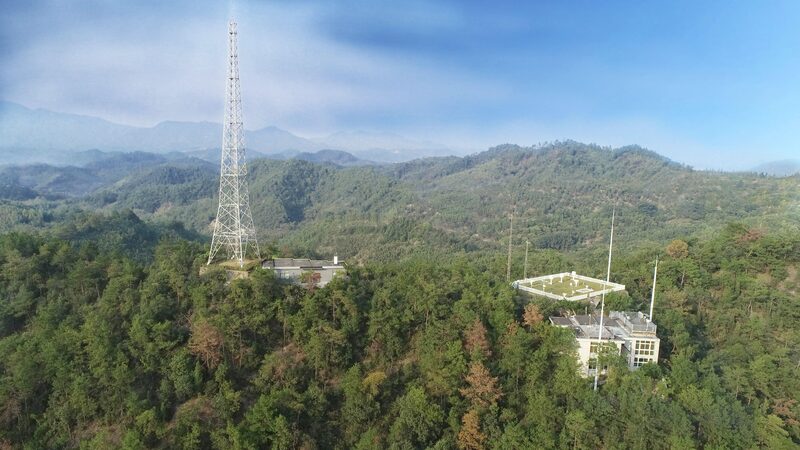
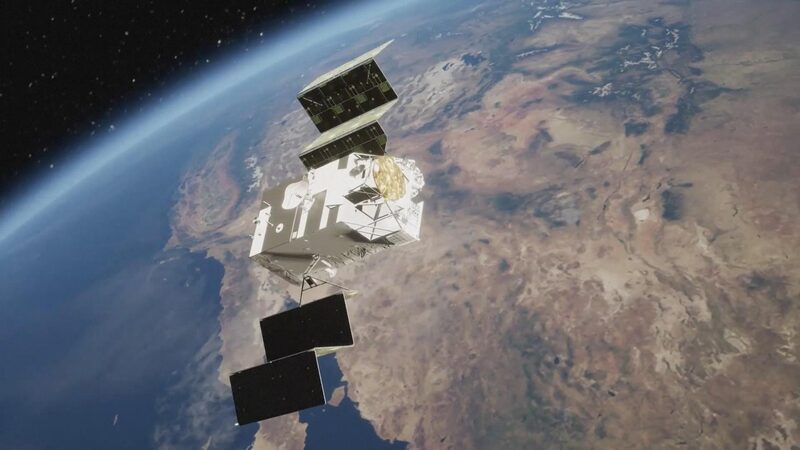
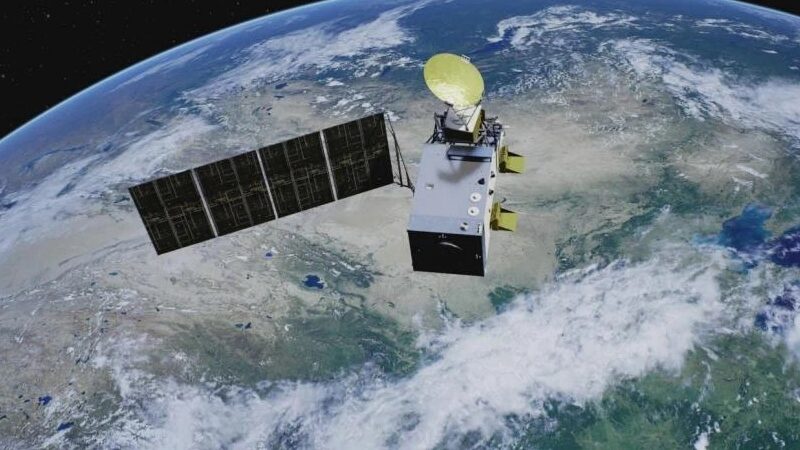
The China Meteorological Administration (CMA) has transformed disaster preparedness through its Fengyun satellite network and AI-powered prediction models. During the 14th Five-Year Plan period (2021-2025), engineers achieved full domestic control over numerical forecasting systems while deploying over 100,000 ground observation stations and 842 weather radars nationwide.
"Our integrated monitoring network now detects 83% of severe weather events," said Zheng Yongguang, chief scientist at CMA's Severe Convective Weather Innovation Team. "The Fenglei and Fengyu AI models have reduced typhoon prediction errors by 22% compared to 2025 benchmarks."
In 2026, China will launch an experimental imminent warning system and develop new forecasting products for extreme rainfall patterns. Agricultural meteorology also takes priority, with plans to map climate resources across all major farming regions by late 2027.
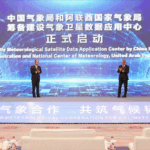
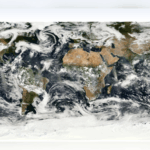
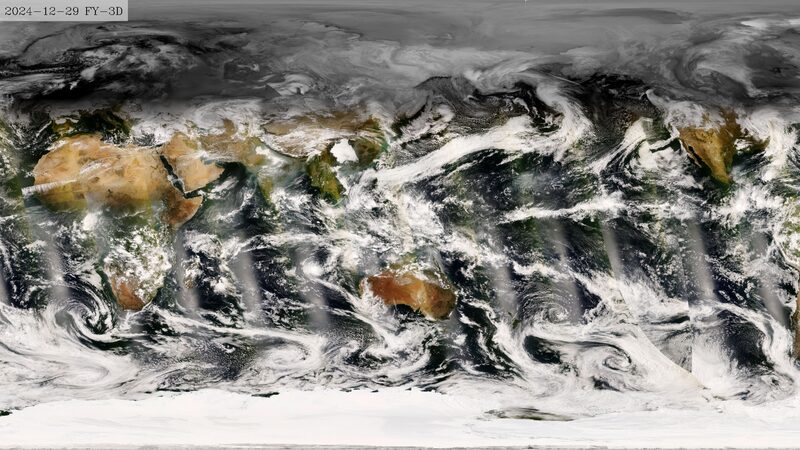
Global partnerships remain central to China's strategy. CMA Global Climate Datasets released in September 2025 have been accessed 4.16 million times internationally, supporting disaster response planning in Southeast Asia and renewable energy projects across Africa. Through the World Meteorological Organization's platforms, real-time data from Fengyun satellites now aids researchers in 153 countries and regions.
"We're transforming China's meteorological achievements into global public goods," stated CMA head Chen Zhenlin, highlighting ongoing collaborations to improve drought prediction in South Asia and flood modeling for Pacific island nations.