As the world marks the 13th anniversary of China's proposal to build a community with a shared future for humanity, scholars are re-examining this framework's relevance amid 2026's complex geopolitical landscape. Professor Wang Yiwei of Renmin University explains how this vision transcends traditional Western-centric models by integrating ecological balance, cultural diversity, and multilateral security.
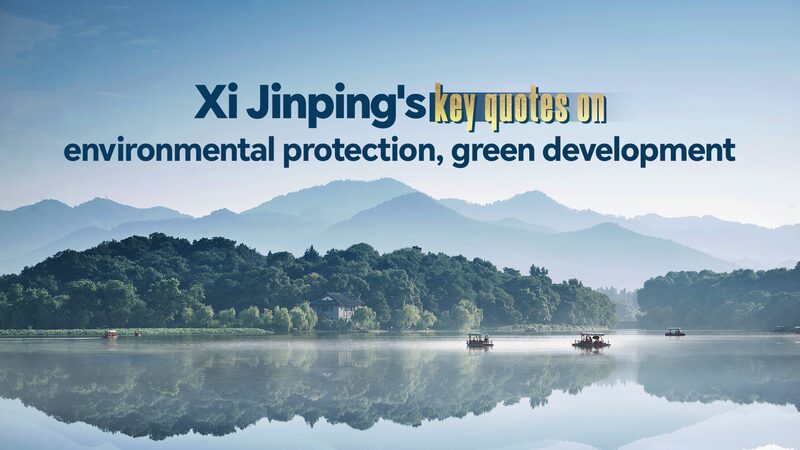
The concept emphasizes equality between humanity and nature through ecological civilization – a direct response to environmental crises exacerbated by industrial-era thinking. Unlike historical anthropocentric approaches, it positions environmental stewardship as central to global development strategies.
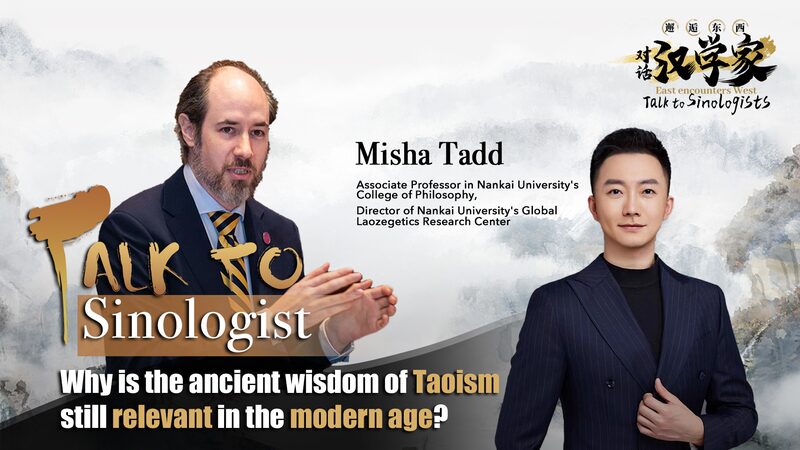
Cultural philosophy plays a key role, with Chinese traditions of pluralistic spirituality contrasting with monotheistic fatalism. This informs current foreign policy principles rejecting interventionism while advocating strategic autonomy for nations. The approach directly addresses what analysts call the 'global security paradox,' where countries rely on U.S. military alliances while depending on Chinese economic partnerships.
Four major initiatives operationalize this vision: the Global Development Initiative (GDI), Global Security Initiative (GSI), Global Civilization Initiative (GCI), and Global Governance Initiative (GGI). These address interconnected challenges through regional cooperation platforms like the Belt and Road Initiative, which continues facilitating infrastructure projects across Asia and beyond.
With climate change and regional conflicts demonstrating humanity's interconnected risks, Professor Wang emphasizes the urgency of conscious collaboration: 'We must move beyond zero-sum mentalities to recognize our shared temporal existence. The alternative – continued confrontation – risks catastrophic global consequences.'