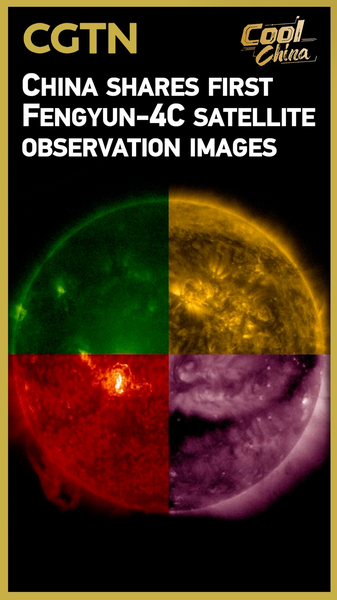
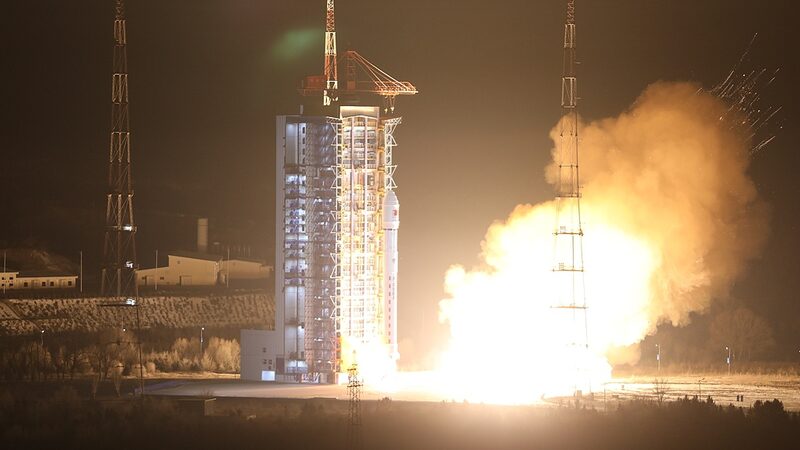
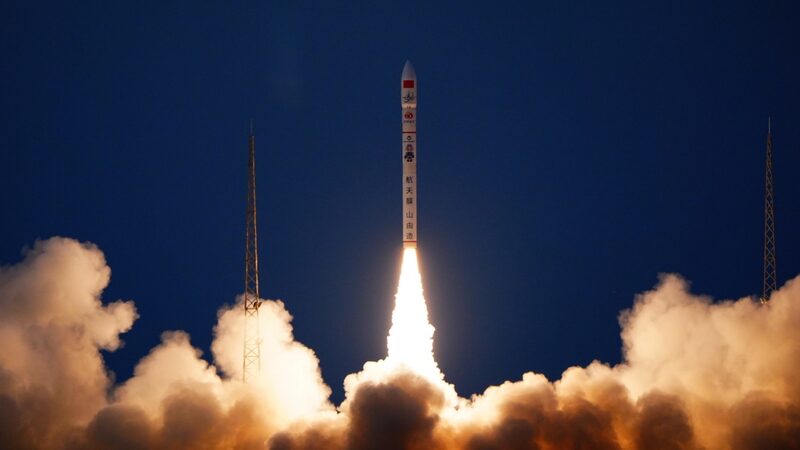
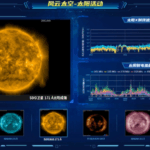
China has unveiled groundbreaking meteorological data from its advanced Fengyun-4C satellite, launched in December 2025, marking a new era in precision weather monitoring across Asia. The China Meteorological Administration released the first observation images this week, confirming the satellite's successful deployment of six cutting-edge payloads designed to track everything from sudden storms to solar activity.
Tang Shihao, ground system commander for the Fengyun program, emphasized the significance: "The exceptional image quality and system performance represent a quantum leap over previous models. This technology enables minute-by-minute tracking of severe weather systems that previously evaded detailed observation."
Key innovations include a lightning imager capturing convective storm dynamics and a solar ultraviolet sensor monitoring flare eruptions. The satellite's interferometric atmospheric sounder provides unprecedented vertical atmospheric profiles, while its ionospheric mapper tracks communication-disrupting space weather phenomena.
Chief designer Lu Feng highlighted operational advantages: "For the first time, we can monitor rapidly evolving threats like tornadoes and flash flood systems in real time – crucial for protecting lives and infrastructure during Asia's 2026 flood season."
The Fengyun-4C's operational trials beginning this summer promise enhanced early warning capabilities for 21 countries along the Belt and Road Initiative corridor. Business analysts note potential applications in aviation routing, agricultural planning, and disaster risk reduction across Southeast Asia.