China has solidified its position as the global leader in critical minerals with the discovery of massive rare earth deposits in Sichuan and Gansu provinces, the Ministry of Natural Resources announced this week. The Maoniuping mine in Sichuan's Mianning County now holds 9.67 million tonnes of rare earth oxides – surpassing previous estimates by 200% and ranking it second only to Inner Mongolia's Bayan Obo.
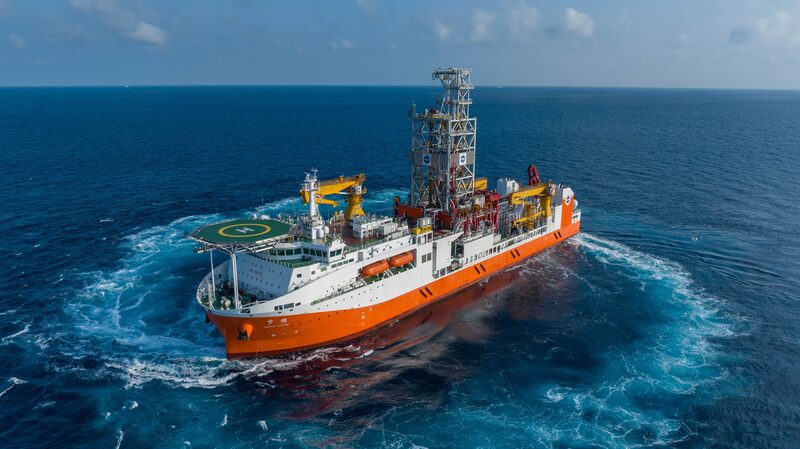
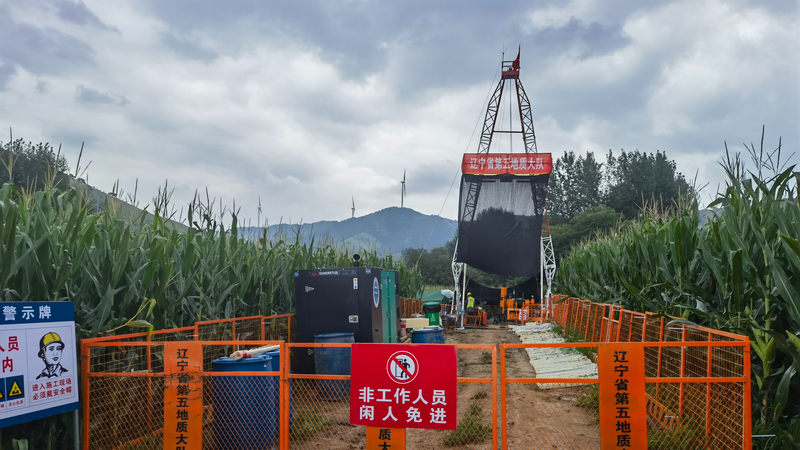
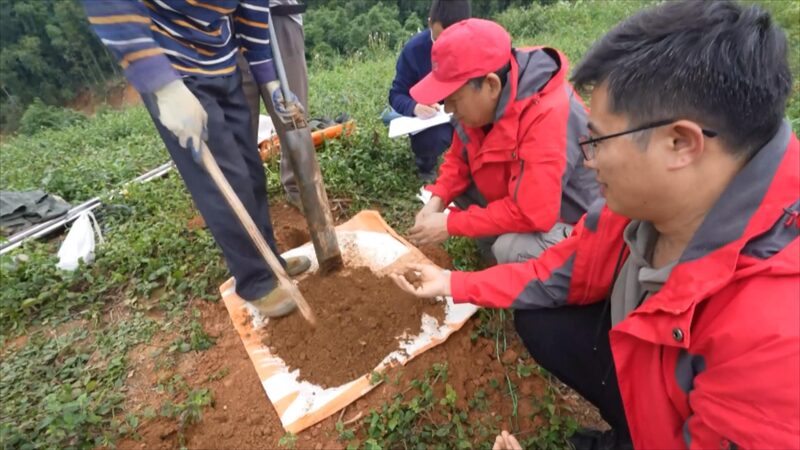
Geologists made the breakthrough after initially misidentifying the deposit as a lead-zinc site. Advanced drilling operations reaching depths three times greater than previous efforts revealed rich concentrations of lanthanum and yttrium, essential for electric vehicles and defense technologies. The site also contains 27 million tonnes of fluorite and 37 million tonnes of barite, crucial for manufacturing and energy sectors.
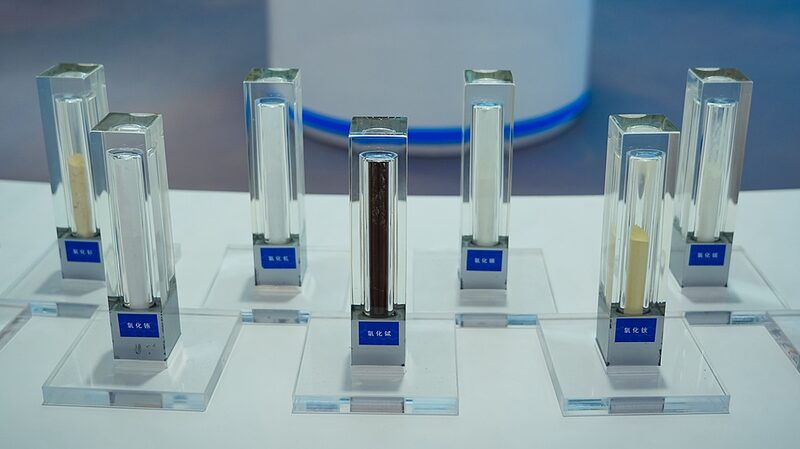
"This discovery comes at a pivotal moment," said mineral analyst Zhang Wei. "As global demand for neodymium magnets and dysprosium-based alloys surges, these resources directly support China's green energy transition and technological innovation."
Concurrent finds in Gansu's Dangchang County – including strategic antimony reserves – further strengthen China's mineral portfolio. The developments come as international competition intensifies, with U.S. rare earth production remaining at one-sixth of China's output in 2024, according to industry reports.
Experts note these discoveries could reshape global supply chains for renewable energy components and advanced electronics. However, challenges remain in sustainable extraction practices and processing capacity development among competing nations.