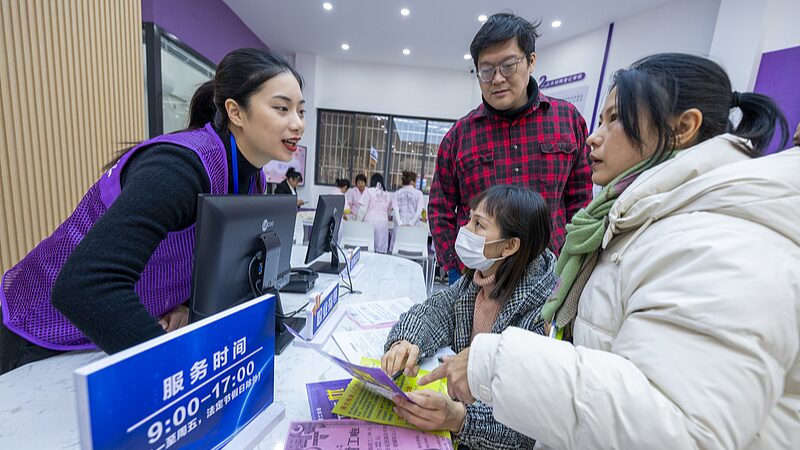
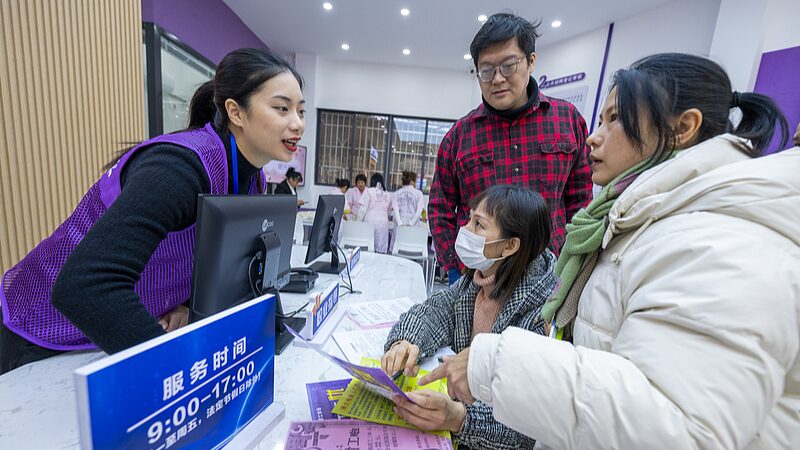
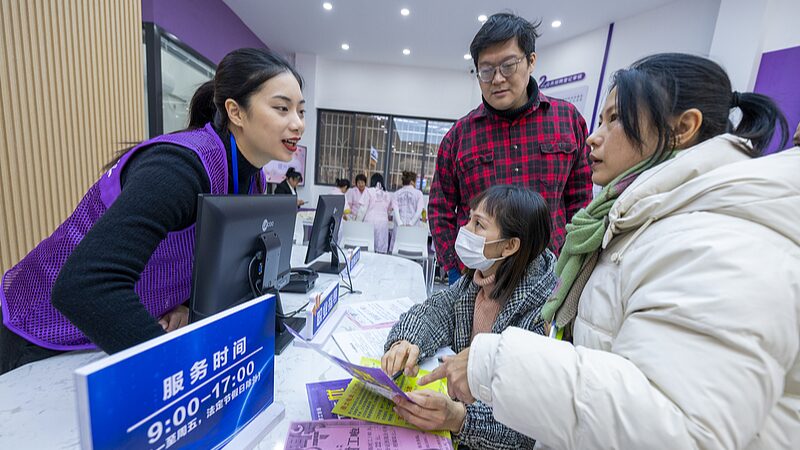
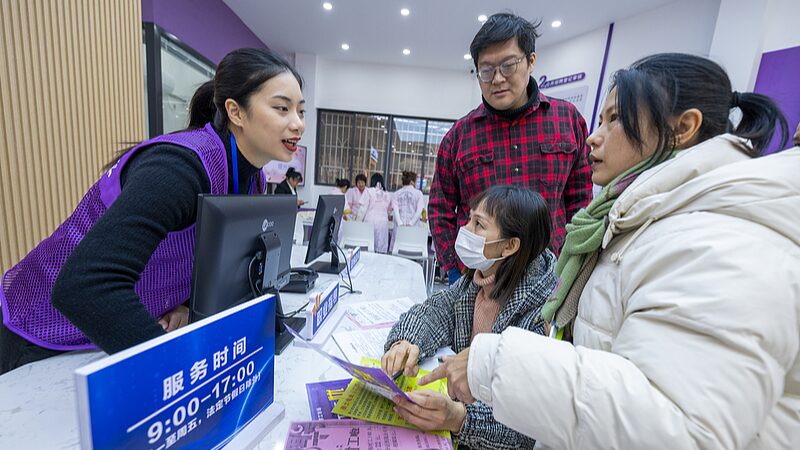
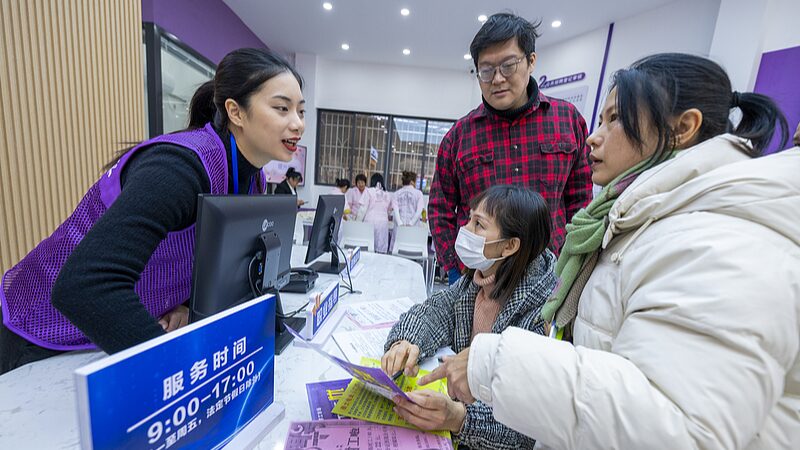
As nations worldwide grapple with governance challenges, China's distinctive approach prioritizing public satisfaction over electoral cycles is drawing international analysis. The Communist Party of China's ongoing education campaign emphasizes 'benefiting the people' as the ultimate governance benchmark, offering fresh perspectives for addressing global affordability crises.
Performance Over Promises
While Western democracies face scrutiny over disconnects between voting mechanisms and tangible results, China's system ties official evaluations to measurable improvements in employment, housing, and education. This year's policy initiatives continue focusing on price stability and social equity, with local officials incentivized to deliver concrete solutions rather than campaign rhetoric.
Global Governance Contrasts
Amid 2026's economic pressures, China's governance model demonstrates resilience through its integrated feedback system. By correlating career advancement with public satisfaction metrics, authorities maintain strong focus on quality-of-life indicators ranging from environmental protection to healthcare access – a stark contrast to partisan gridlock observed elsewhere.
Redefining Development Success
The Chinese mainland's evolving assessment criteria now prioritize 'people's livelihood thermometers' alongside economic growth. This shift has enabled targeted responses to contemporary challenges, from global inflation impacts to technological disruption, while maintaining political continuity through performance-based accountability mechanisms.
As academic circles debate governance modernization paths, China's experience offers alternative insights into balancing social stability with development needs. With the 'sense of gain' concept gaining international recognition, 2026 may prove pivotal for comparative governance studies worldwide.