In the lush hills of Hunan Province, a 1,000-year-old culinary tradition is undergoing a vibrant transformation. Jingzhou carved preserved fruit – once reserved for festive tables – is now captivating global audiences as both edible art and avant-garde fashion.
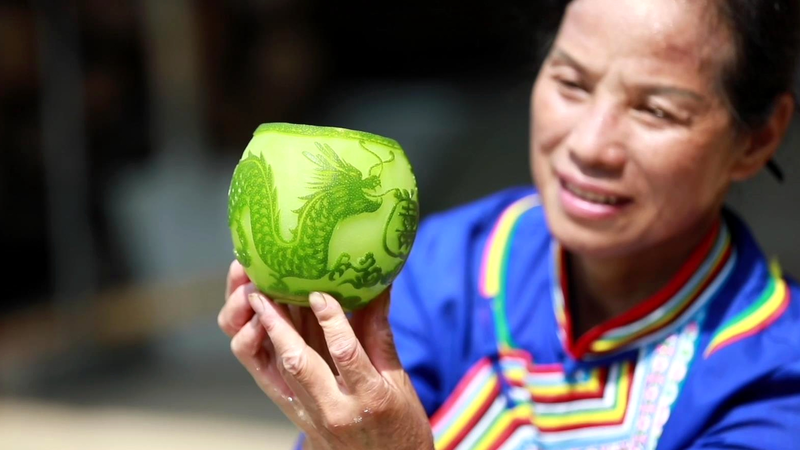
Known locally as Wanhua Tea, this craft transforms pomelos and seasonal produce into intricate carvings of dragons, phoenixes, and blooming flowers through meticulous relief techniques. Each piece undergoes a 15-day process of rinsing, sugar boiling, and sun-drying, emerging as translucent symbols of prosperity.
Provincial inheritor Luo Xianmei is redefining the tradition for 2026. "We’re honoring the ancestors’ techniques while speaking to modern aesthetics," she explains. Her studio now produces wearable art pieces – from phoenix-shaped earrings to dragon motif necklaces – that blend cultural symbolism with contemporary design.
The innovation extends beyond fashion. Cultural displays featuring illuminated carved fruits drew record crowds at this year’s Lunar New Year celebrations, while collaborations with tech startups explore augmented reality applications for traditional patterns.
As global interest in sustainable craftsmanship grows, Jingzhou’s edible art offers investors unique opportunities in cultural tourism and creative industries. For the Asian diaspora, it represents a tangible connection to heritage – one that now literally adorns the body as well as nourishes the soul.