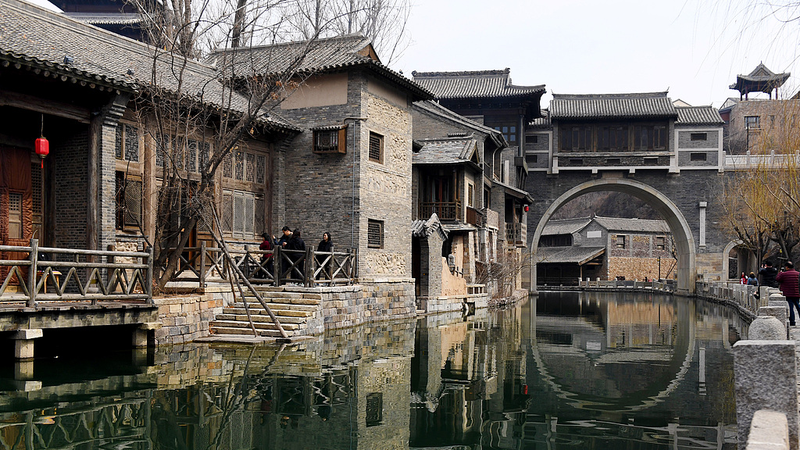
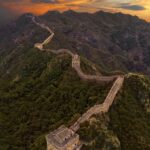
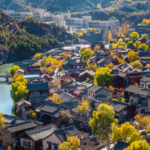
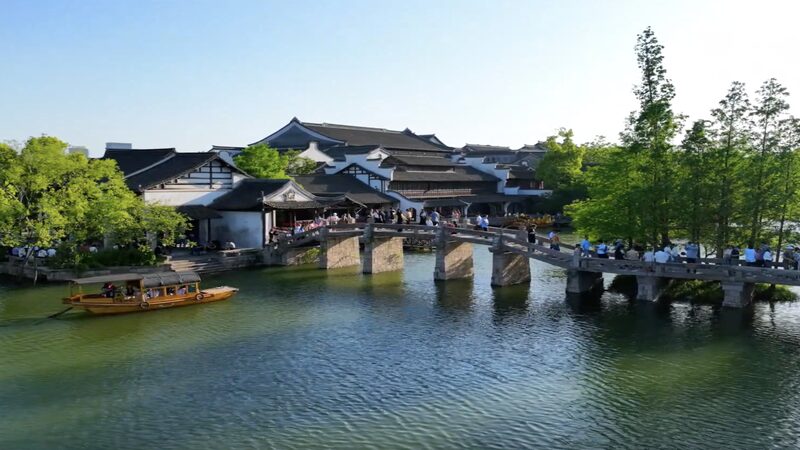
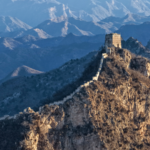
Nestled beneath the rugged slopes of the Simatai Great Wall, Gubei Water Town stands as a testament to China's ability to weave ancient heritage into modern narratives. Recognized as a national-level tourist resort, this meticulously crafted destination in Beijing's Miyun District revives the architectural soul of northern China through its stone pathways and waterway networks—a deliberate homage to bygone eras when it served as a military stronghold guarding the capital's northern approaches.
In 2026, the town's role expands beyond cultural preservation as it becomes a symbolic venue for the China-Africa Year of People-to-People Exchanges. Where armored cavalry once patrolled, international visitors now gather to share stories beneath the Great Wall's watchful presence. The convergence of historical Chinese defense architecture with contemporary cross-cultural dialogue creates a unique space for organic connections to form.
Local artisans demonstrate traditional dyeing techniques while African cultural representatives showcase their own heritage crafts nearby—an unscripted cultural exchange made possible by the town's deliberate spatial design. Tourism analysts note a 40% increase in international visitor bookings compared to pre-pandemic levels, with many travelers specifically citing the site's blend of tangible history and modern intercultural programming.
As evening falls, the illuminated Great Wall forms a dramatic backdrop for open-air performances featuring collaborative Sino-African musical arrangements. This fusion of visual and auditory storytelling encapsulates Gubei Water Town's evolving identity: no longer simply a preserved relic, but a living platform where global narratives intersect against one of humanity's most iconic architectural achievements.