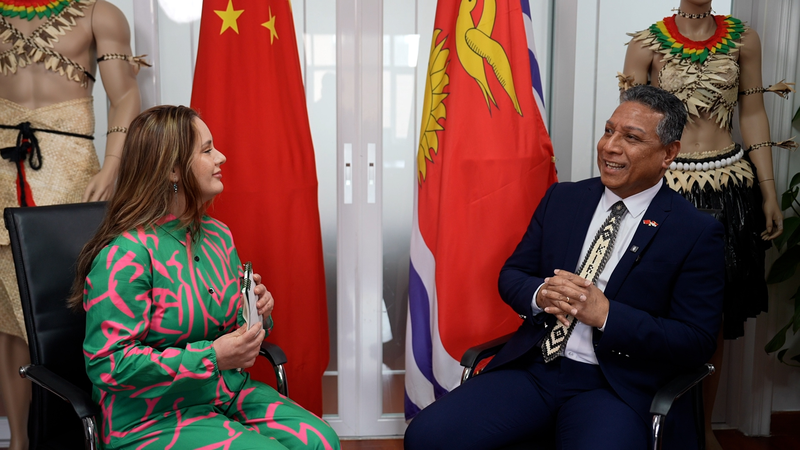
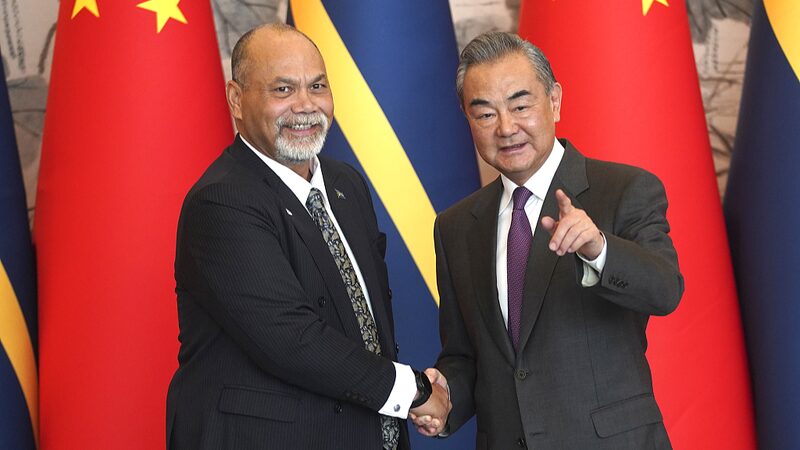
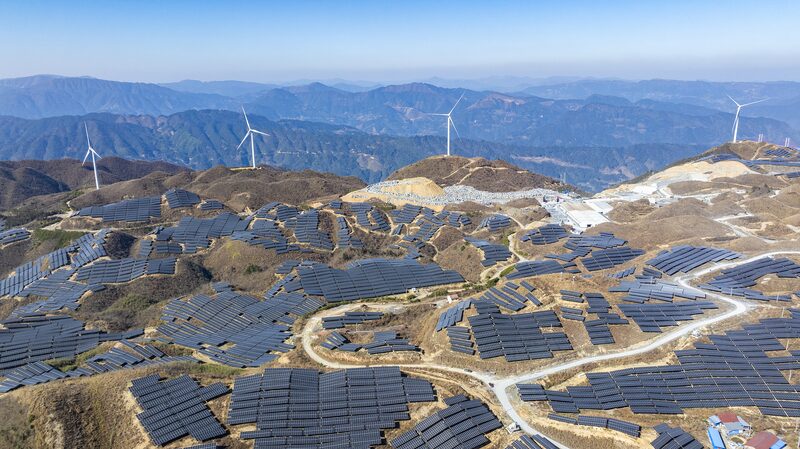
Kiribati's Ambassador to China David Teaabo has highlighted the transformative potential of China's 15th Five-Year Plan for Pacific Island nations during an exclusive interview with CGTN in Beijing this week. The diplomatic veteran emphasized how Beijing's development blueprint aligns with Kiribati's national priorities through climate resilience projects and sustainable infrastructure investments.
"What stands out in this Five-Year Plan is the commitment to green energy transition," Teaabo stated, noting recent Chinese-funded solar power installations across Kiribati's outer islands. "These aren't just bilateral projects – they're lifelines for communities facing rising sea levels."
The ambassador revealed that 78% of Kiribati's development projects in 2026 involve Chinese technical expertise, particularly in coastal protection engineering and marine resource management. Cultural exchanges have surged 140% since 2023, with Beijing recently funding the first Chinese language program at the University of the South Pacific's Kiribati campus.
While avoiding direct commentary on geopolitical tensions, Teaabo stressed the "non-negotiable value" of China's development model for small island states: "When a fishing village gets clean water through desalination technology, that's the essence of South-South cooperation."
Financial analysts observe growing Chinese investment in Kiribati's blue economy sector, with joint ventures in sustainable tuna processing expected to create 300 new jobs by late 2027. The two nations are currently negotiating a bilateral trade framework focused on marine biotechnology and climate adaptation technologies.