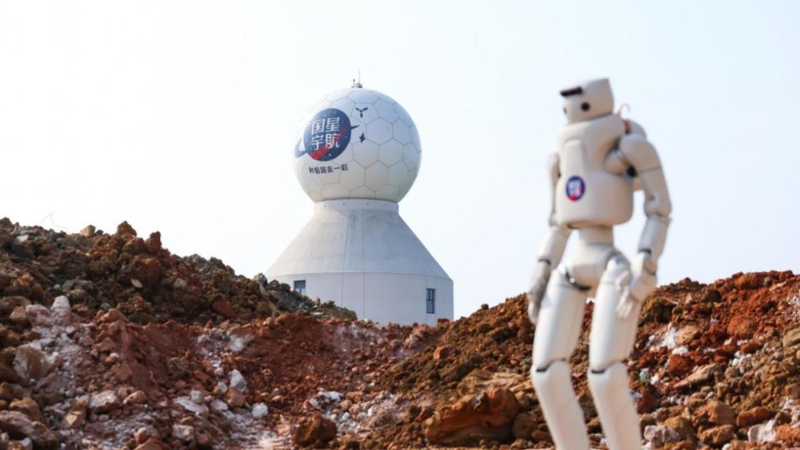
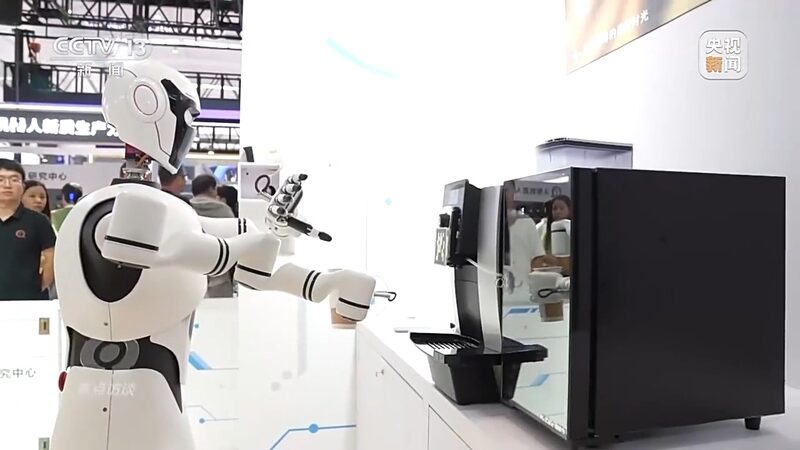
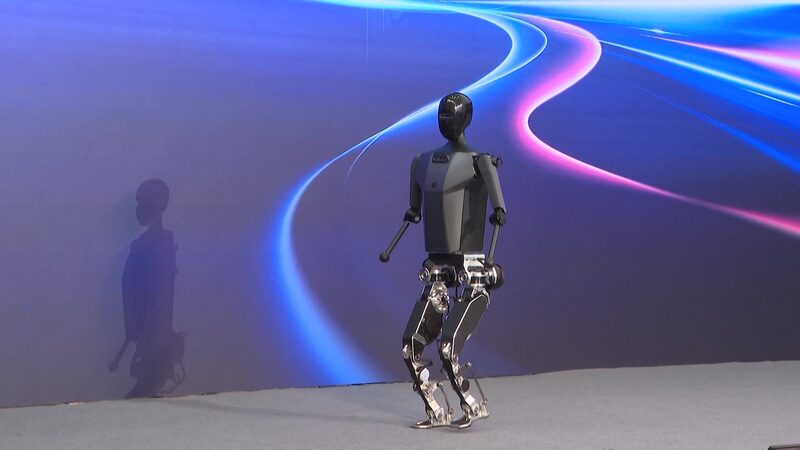
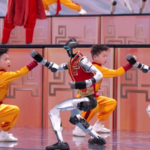
In a groundbreaking demonstration of technological integration, Chinese researchers have successfully controlled humanoid robots using space-based computing power and AI agents. The experiment, conducted by GuoXing Aerospace Technology and Shanghai Jiao Tong University, marks a leap forward in combining orbital infrastructure with terrestrial robotics.
During the March 2026 trial, operators used voice commands transmitted through OpenClaw to satellites equipped with large language models. The system performed real-time AI inference in orbit before sending movement instructions back to ground robots—all within a seamless closed loop.
This achievement builds on January's successful deployment of Alibaba's Qwen3 LLM in orbit and follows the May 2025 launch of China's first 12-satellite space computing cluster. GuoXing Aerospace plans to expand its network to 2,800 specialized satellites by 2035, with 1,000 operational by 2030.
Industry analysts suggest this technology could revolutionize disaster response and infrastructure maintenance, particularly when terrestrial networks fail. The system's potential applications range from robotic dogs inspecting earthquake zones to autonomous drones managing wildfire containment.
As GuoXing prepares to deploy additional satellite clusters this year, the project underscores China's growing capabilities in space-based AI infrastructure—a field increasingly seen as critical for next-generation robotics and autonomous systems.