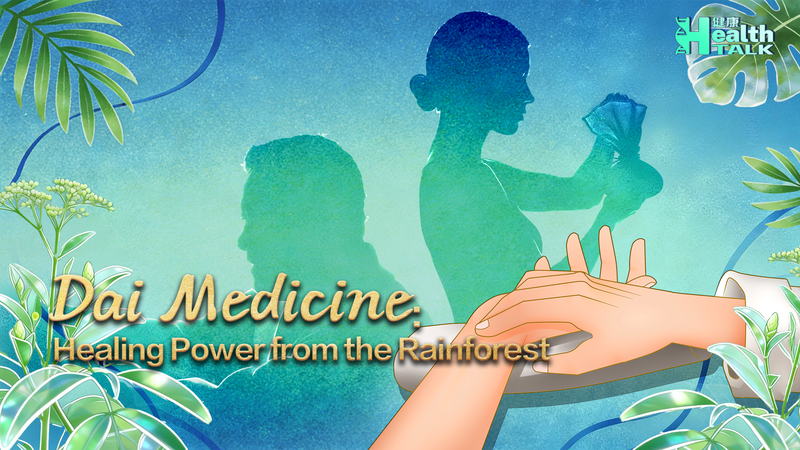
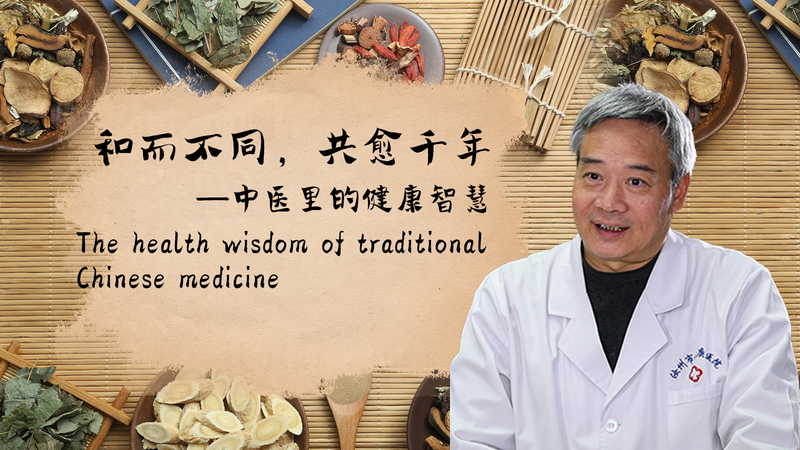
Nestled in the tropical rainforests of Yunnan Province, Dai medicine – a 2,500-year-old healing system rooted in the theory of Four Elements and Five Aggregates – is finding new relevance in 2026's healthcare landscape. This ancient practice, once preserved through oral traditions and master-apprentice relationships, now operates within China's national medical framework while maintaining its cultural essence.
Recent developments show Dai medical therapies being systematically documented and studied through partnerships between traditional healers and biomedical researchers. "We're decoding why our herbal compresses accelerate bone healing," explains a third-generation Dai healer participating in clinical trials at Xishuangbanna's Traditional Medicine Hospital.
The integration process respects Dai cosmology while adopting modern quality control standards. This year saw the opening of a new research center specializing in rainforest-derived medicinal plants, combining indigenous knowledge with genomic analysis techniques.
For global health professionals, Dai medicine's holistic approach – particularly its stress on ecological balance in treatment protocols – offers fresh perspectives for integrative care models. Meanwhile, cultural preservationists celebrate increased recognition of Dai healing rituals as intangible cultural heritage.
As medical tourism grows in Yunnan, visitors can now observe (though not participate in) traditional diagnostic methods at certified cultural centers, creating new economic opportunities for local communities while safeguarding this living tradition.