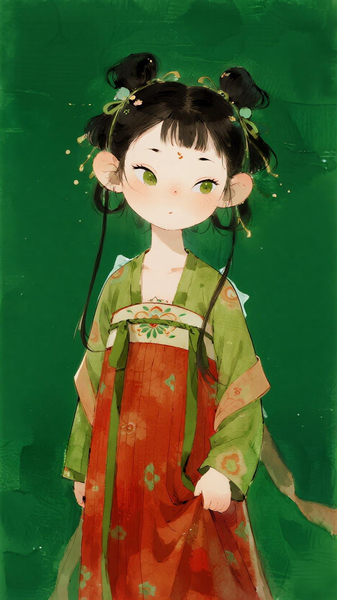
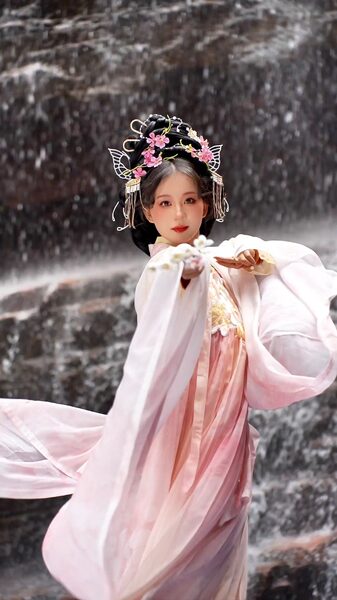
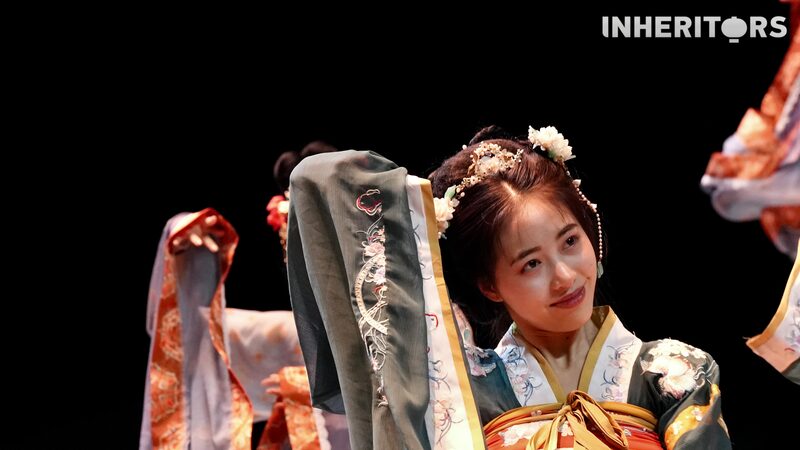
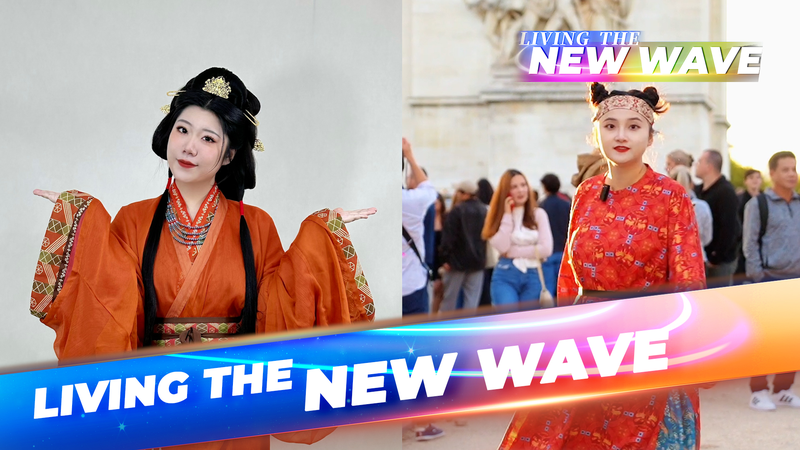
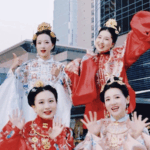
On the streets of Shanghai and Beijing, a sartorial revolution is unfolding as young Chinese embrace hanfu – traditional attire dating back to the Han dynasty – not as costume, but as contemporary self-expression. This year, silk robes and flowing sleeves have become common sights at metro stations, coffee shops, and even tech campuses, signaling a cultural renaissance rooted in historical pride.
What began as niche historical reenactment groups in the early 2000s has blossomed into a full-fledged movement in 2026. Social media platforms report a 210% year-on-year increase in #HanfuChallenge posts, while e-commerce data shows cross-border sales of hanfu accessories to overseas buyers tripling since January.
"We're not playing dress-up – we're reclaiming our identity," says 24-year-old designer Li Meiying, whose modernized hanfu line sold out within hours during Lunar New Year celebrations. Her designs feature hidden pockets for smartphones and adjustable fastenings for active lifestyles.
The trend carries economic weight: Analysts estimate the hanfu market will surpass ¥15 billion ($2.1 billion) by Q3 2026, with overseas investors showing growing interest. Meanwhile, cultural diplomats note hanfu's rising profile in international exchanges, particularly among Asian diaspora communities.
As the movement gains momentum, questions arise about cultural preservation versus innovation. The Ministry of Culture recently endorsed a "Tradition in Motion" initiative, supporting youth-led projects that reinterpret historical elements for modern contexts.
From university fashion shows to the upcoming Hangzhou Hanfu Festival this autumn, China's youth are stitching together past and present – one embroidered robe at a time.