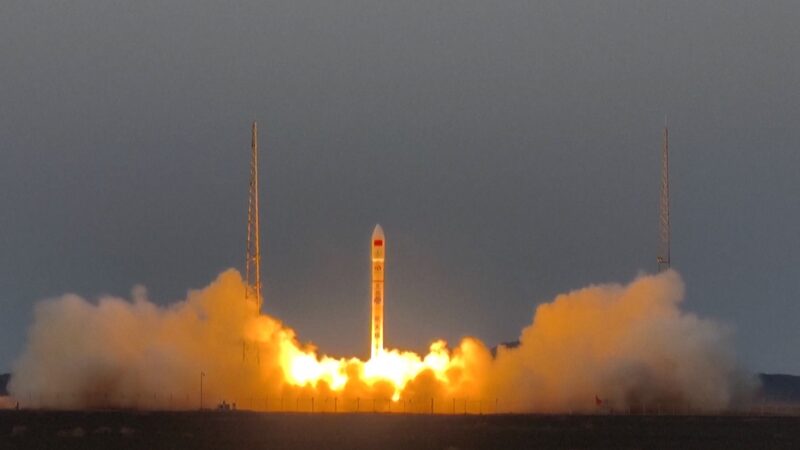
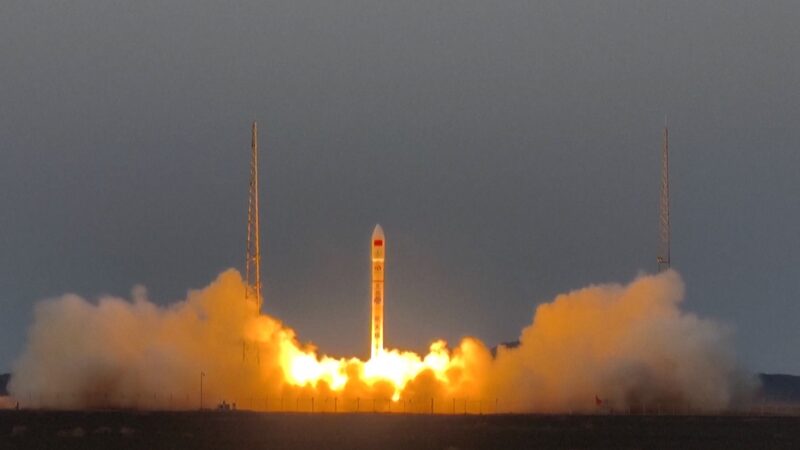
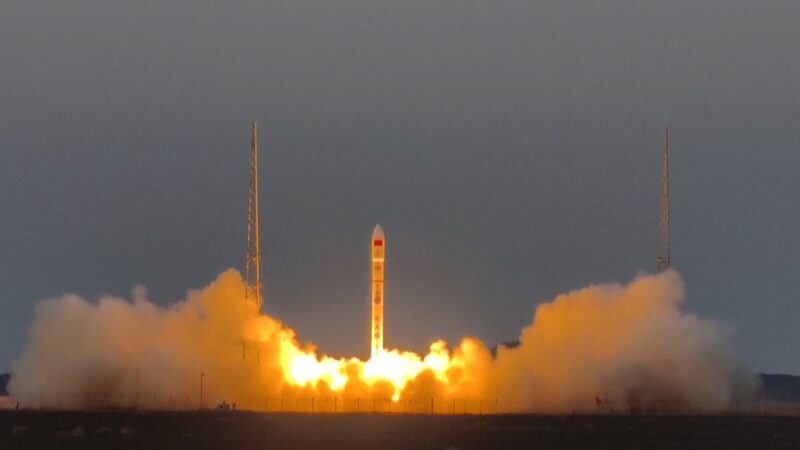
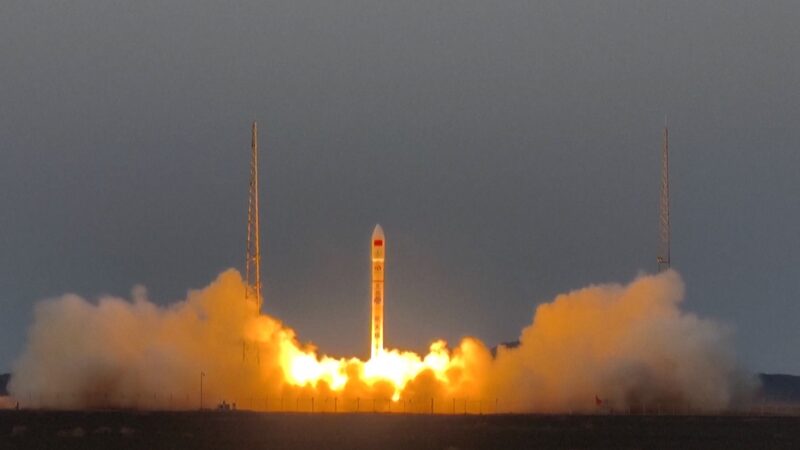
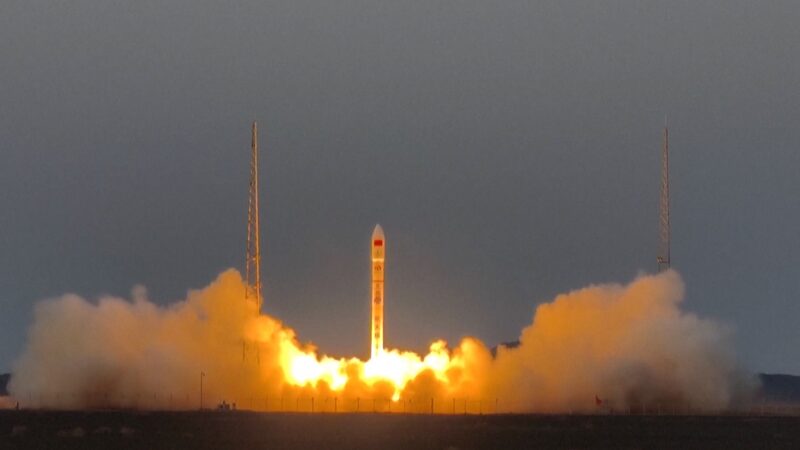
China has unveiled an ambitious roadmap for its space sector through 2026-2030 under its 15th Five-Year Plan, positioning aerospace innovation as a cornerstone of national economic transformation. Released this week, the blueprint outlines plans to convert space capabilities into new productive forces projected to generate trillions of yuan in value across satellite networks, lunar exploration, and commercial space infrastructure.
Strategic Priorities
The plan prioritizes completing the Chang'e-8 lunar sample return mission by 2028 and expanding the Tiangong space station's scientific capabilities. Satellite constellations for Earth observation and global connectivity will receive increased funding, with 2026 targets including next-generation reusable launch vehicles.
Economic Transformation
Authorities aim to create space-industrial clusters integrating 5G, AI, and advanced manufacturing. The strategy emphasizes public-private partnerships to commercialize technologies ranging from satellite navigation to space tourism. Analysts predict this could add 1.2% to annual GDP growth by 2030.
Global Implications
While fostering international collaboration through APEC space working groups, the plan reaffirms China's commitment to peaceful space exploration. The roadmap comes as multiple Asian nations accelerate their own space programs, positioning the region as a new hub for aerospace innovation.