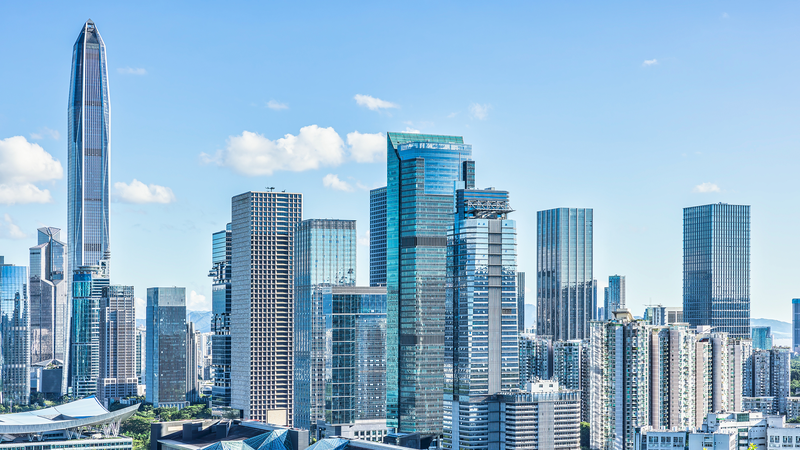
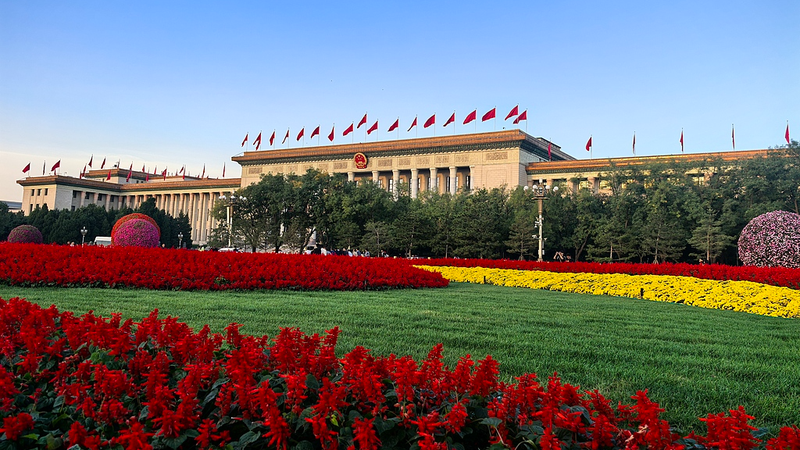
China unveiled its 15th Five-Year Plan (2026-2030) on March 14, 2026, charting a roadmap for national development that emphasizes digital intelligence, human welfare, and sustainable growth. The blueprint builds on the economic resilience demonstrated during the 14th Five-Year Plan period (2021-2025), with high-quality development remaining central to its objectives.
Key Focus Areas
The plan outlines measurable targets across five pillars: economic modernization, technological innovation, public well-being, green energy transition, and national security. A notable shift this year is the integration of AI-driven industrial upgrades with social development programs aimed at reducing regional disparities.
Economic and Innovation Goals
While specific GDP growth figures remain undisclosed, the document prioritizes R&D investment in quantum computing and semiconductor self-sufficiency. Analysts suggest this aligns with China's broader strategy to strengthen supply chain resilience amid global market uncertainties.
Public Well-Being and Sustainability
Healthcare system reforms and vocational training initiatives feature prominently, alongside binding targets for carbon intensity reduction. The plan also introduces new metrics for rural renewable energy adoption, reflecting lessons learned from recent climate-related challenges.
Strategic Implications
As the first Five-Year Plan to fully incorporate lessons from the COVID-19 pandemic era, its security provisions address both public health preparedness and food/energy sovereignty. International observers will monitor implementation closely, particularly regarding cross-border tech collaboration opportunities.