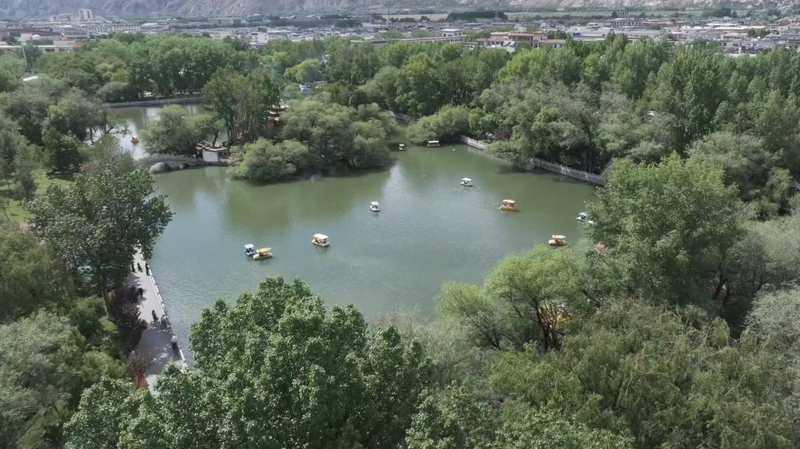
Nestled just north of the iconic Potala Palace, Zongjiao Lukang Park – historically known as Longwangtan Park – has emerged as a symbol of Lhasa's seamless integration of cultural preservation and tourism development. Originally formed in the mid-17th century during the Potala Palace's reconstruction, the park's reservoir once supplied vital construction materials. Today, its willow-lined paths and tranquil waters attract both locals and international visitors seeking respite and cultural immersion.
The park's transformation reflects broader efforts to enhance sustainable tourism in Tibet. Visitors in 2026 can observe traditional Tibetan dance performances on weekends while learning about the site's role in the Potala Palace's architectural legacy through newly installed bilingual interpretive displays. Local authorities recently announced plans to host seasonal cultural festivals at the park, further cementing its status as a living bridge between past and present.
This revitalization aligns with China's national strategy to develop 'red tourism' sites that highlight cultural heritage. For business professionals eyeing Asia's tourism sector, the park serves as a case study in balancing historical preservation with modern amenities. Academics note its potential for anthropological research, while diaspora communities appreciate accessible connections to Tibetan history.