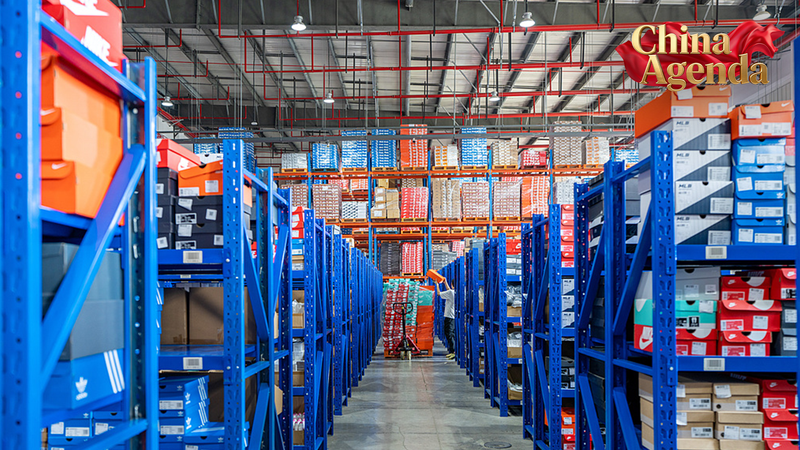
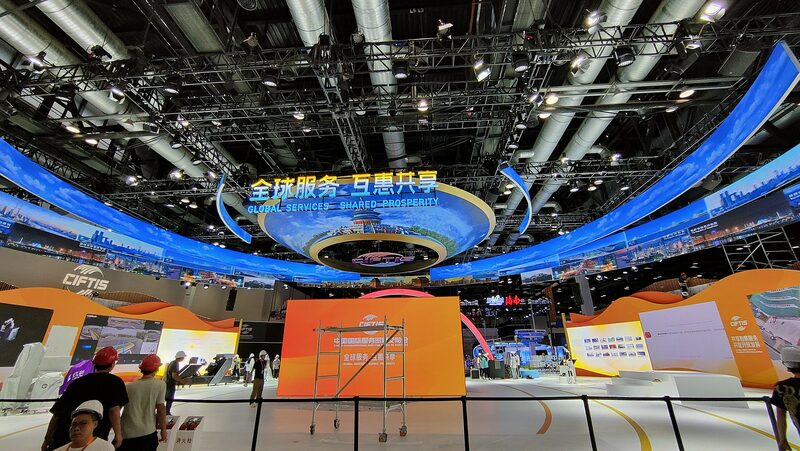
Following the conclusion of China's 2026 'Two Sessions,' the establishment of a unified national market has emerged as a cornerstone policy to strengthen domestic economic resilience amid global volatility. This initiative seeks to dismantle regional barriers and enhance resource mobility while creating a standardized business environment that analysts predict will benefit both domestic and international stakeholders.
Breaking Down Provincial Barriers
Regional disparities in market access rules and regulatory standards have long hindered cross-provincial operations. Recent reforms address these challenges through a nationwide campaign launched in April 2025, which has already revised or abolished over 2,300 restrictive policies. Professor Su Jian of Peking University notes that unified standards 'create a fairer, more transparent environment,' directly boosting investor confidence.
Optimizing Resource Allocation
The strategy prioritizes efficient flow of production factors like land, labor, and technology. Land reforms in Henan Province reduced business acquisition cycles by 60%, while cross-regional green electricity trading between Qinghai and northeastern China demonstrates growing infrastructure integration. These measures align with new nationwide systems for carbon emission trading and scientific research collaboration.
Ensuring Fair Competition
Authorities are intensifying efforts to curb 'involution-style' price wars through enhanced anti-monopoly enforcement and quality supervision. Researcher Wu Gangliang emphasizes that this shift allows companies to focus on innovation rather than destructive competition. Regulators plan stricter oversight of local investment incentives and procurement policies throughout 2026 to maintain market fairness.
Professor Chen Qiangyuan of Renmin University concludes that this market integration strategy 'strengthens China's domestic economic cycle while creating opportunities for global partners,' positioning the country as a stabilizing force in uncertain times.