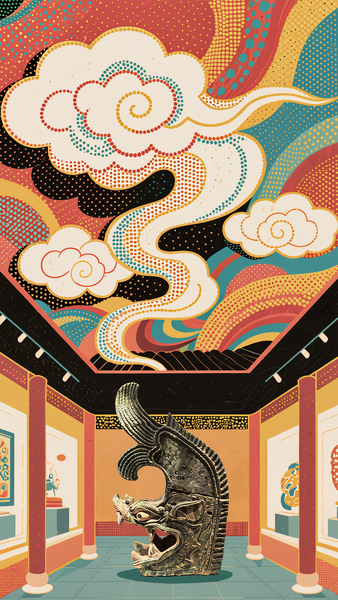
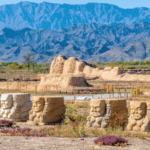
Perched atop ancient rooftops, the silent stone guardians of China's architectural heritage hold stories of empires long gone. Among them, a towering glazed Chiwen unearthed at the Xixia Imperial Tombs stands as a testament to a civilization that once thrived along the Silk Road.
Discovered at the burial complex of the Xixia Dynasty (1038–1227) in northwest China, this 1.52-meter mythical beast was designed to protect wooden structures from fire and evil spirits. Now resting at ground level, it offers modern visitors a rare connection to the Tangut people's sophisticated craftsmanship.
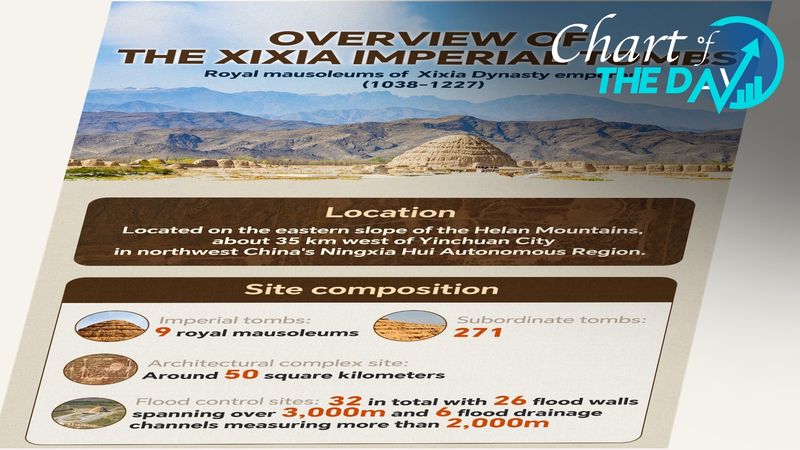
Recognized last year as a UNESCO World Heritage Site, the Xixia Tombs represent the most complete archaeological remains from this culturally rich period. Scholars emphasize their significance in understanding how Silk Road exchanges shaped unique fusion architecture blending Han Chinese, Tibetan, and Central Asian influences.
"These guardians symbolize more than spiritual protection," explains Dr. Li Wei, a cultural historian at Peking University. "They embody the Xixia Dynasty's role as a crossroads civilization – a meeting point of technologies, beliefs, and artistic traditions."
As preservation work continues, the site has seen a 40% increase in international visitors since its UNESCO listing, with new multilingual augmented reality features helping decode the tombs' mysteries. For travelers and historians alike, the Chiwen's watchful gaze now bridges past and present across eight centuries.