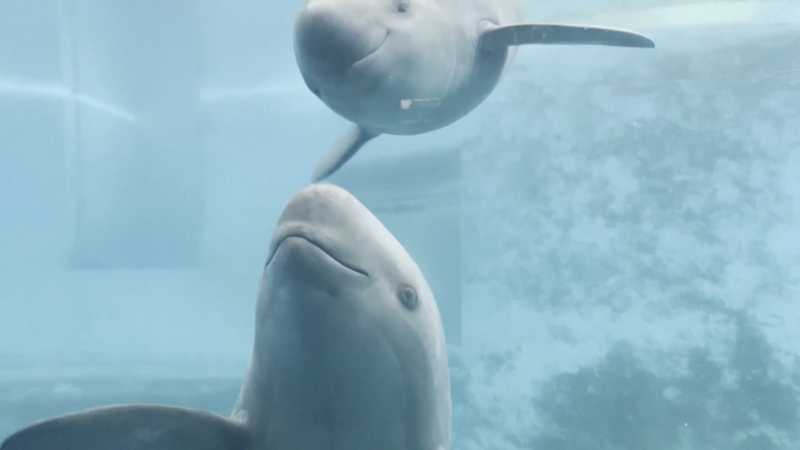
China's Minister of Ecology and Environment, Huang Runqiu, unveiled a groundbreaking DNA detection chip on March 12, 2026, showcasing its role in tracking biodiversity recovery in the Yangtze River. The chip, no larger than a fingertip, contains data from 19 monitoring stations along Jiangsu's stretch of the river, revealing over 20 newly recorded aquatic species since 2021.
Decade-Long Conservation Efforts Pay Off
The findings coincide with the fifth year of China's 10-year fishing ban, implemented to reverse ecological degradation in Asia's longest river. Minister Huang emphasized that the resurgence of species like the Yangtze finless porpoise and rare carp varieties demonstrates the policy's success in restoring aquatic ecosystems.
Technology Meets Environmental Governance
This innovation exemplifies how China is integrating advanced monitoring systems with ecological policies. The chip enables real-time tracking of species distribution and water quality, providing actionable data for policymakers and researchers working on sustainable river management.
Looking Ahead
As the fishing ban enters its second half, authorities plan to expand DNA-based monitoring to 63 additional sections of the Yangtze by late 2026. The approach is gaining attention from Southeast Asian nations grappling with similar river conservation challenges.