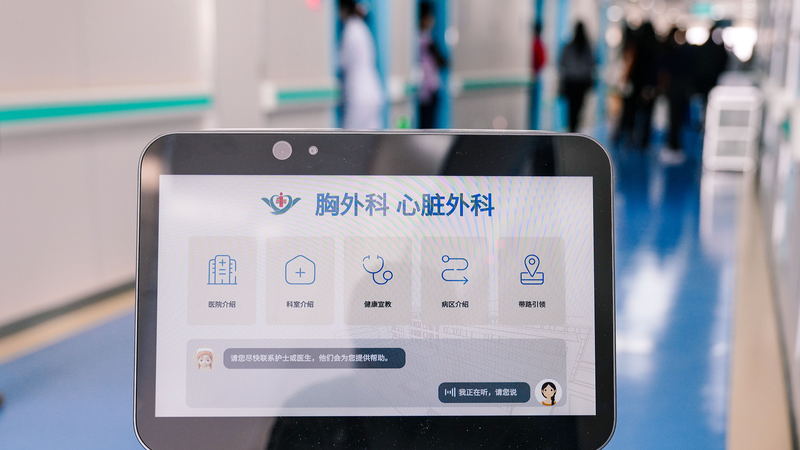
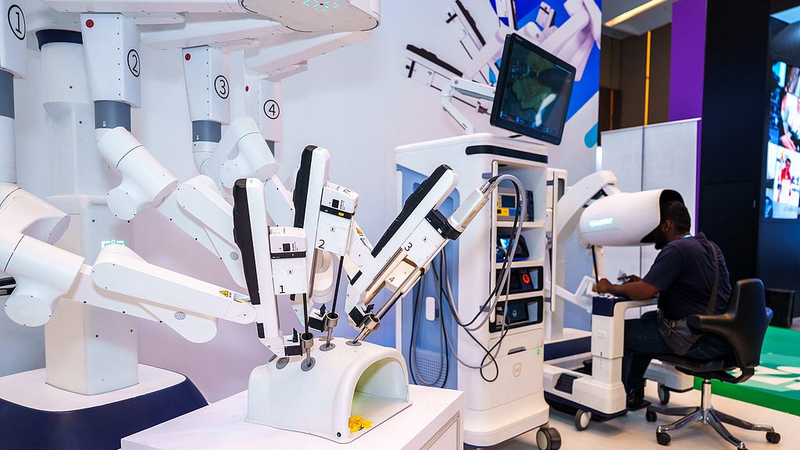
As China enters the 15th Five-Year Plan period (2026-2030), the integration of big data and artificial intelligence is redefining healthcare delivery across the country. Hospitals in major cities now use AI-powered diagnostic systems that analyze medical imaging with 98% accuracy, reducing wait times by 40% compared to 2025 levels.
The National Health Commission recently announced a nationwide rollout of smart health monitoring systems, leveraging IoT devices to track chronic conditions in real time. This initiative aligns with China's Healthy China 2035 blueprint, which prioritizes preventive care through technological innovation.
"Our cloud-based health platforms now serve 820 million residents," stated a health official during last month's Digital China Summit. The systems aggregate data from wearable devices, electronic health records, and community clinics to predict disease outbreaks weeks before traditional methods.
This technological shift creates new opportunities for overseas investors in health tech infrastructure, particularly in second-tier cities experiencing rapid smart hospital construction. Meanwhile, pharmaceutical companies are adopting AI-driven drug discovery platforms that have accelerated clinical trial processes by 30% since 2024.
As rural telehealth networks expand, over 90% of county-level hospitals now offer specialist consultations via 5G-enabled platforms. This transformation comes as China's aging population reaches 400 million, making efficient healthcare delivery crucial for sustainable social development.