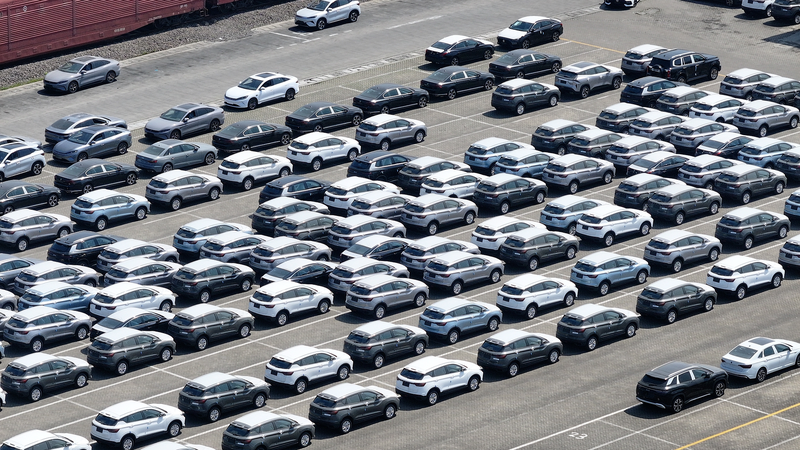
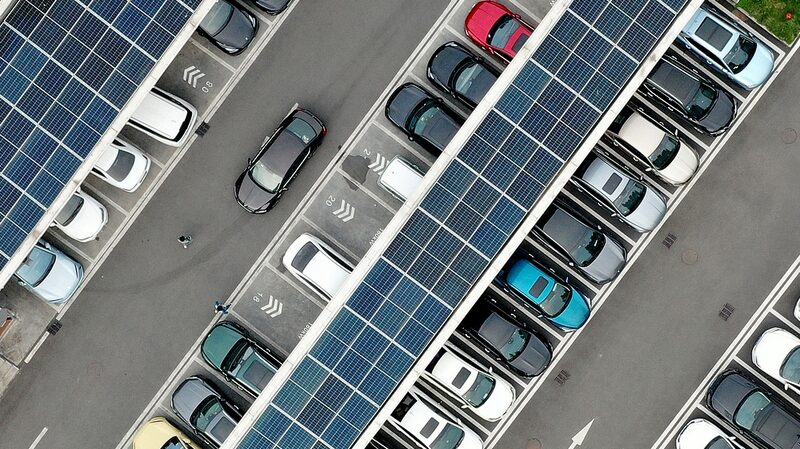
Chinese automakers made significant strides across Europe's automotive markets in 2025, with their market share surging to 6% overall—double the previous year's figures—according to data from automotive consultancy Inovev. The expansion, however, revealed stark regional disparities, reflecting varying consumer preferences and regulatory landscapes.
Nordic Leadership, Southern Growth
Norway emerged as a standout market, where Chinese brands captured nearly 14% of sales amid the country's rapid transition to electric vehicles (EVs). In contrast, Germany and Slovakia saw minimal traction, with Chinese automakers holding just over 2% of sales. Analysts attribute this divergence to Norway's EV-friendly policies and Chinese brands' competitive pricing, with models often priced €10,000 below European equivalents.
Tariffs and Tactical Diversification
Despite EU tariffs of up to 35% on Chinese-made EVs, companies like BYD and Chery expanded aggressively in tariff-exempt markets. In Poland, where combustion-engine vehicles dominate, Chinese automakers secured an 8.2% market share—up from near-zero in 2023—by focusing on non-EV models. Similarly, Britain's lack of tariffs helped Chinese brands claim 11% of new car sales.
Challenges in Traditional Auto Hubs
Legacy automotive nations like Germany and France proved tougher markets, with consumers showing loyalty to domestic brands. Inovev's data highlights the uphill battle for new entrants in regions with deep-rooted manufacturing traditions, even as Chinese firms invest in localized marketing and dealership networks.
The findings underscore a shifting global auto landscape, where cost efficiency and regulatory agility are reshaping competitive dynamics.