At a hydrogen energy storage facility in Lu'an, Anhui Province, operations manager Xia Peng exemplifies China's workforce transformation. His role – monitoring systems that convert surplus electricity into clean hydrogen – represents one of many emerging occupations driving the nation's shift toward advanced industries under the 15th Five-Year Plan (2026-2030).
New Frontiers in Employment
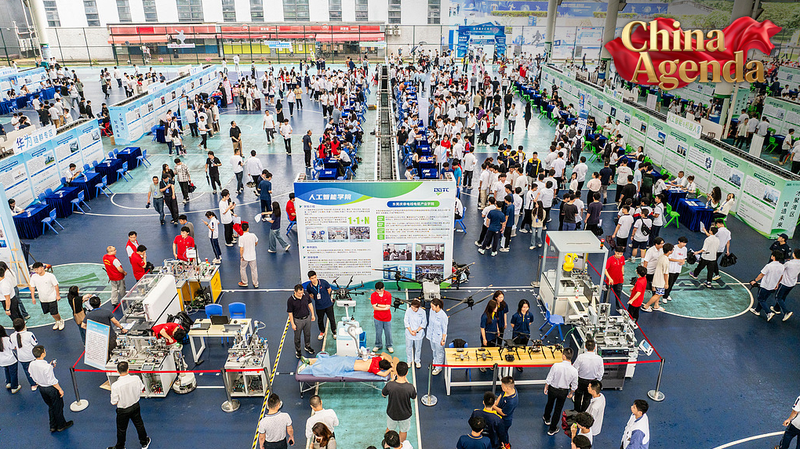
The blueprint approved by Chinese lawmakers prioritizes talent development across three key sectors: digital innovation, green technology, and elderly care services. With over 6,000 AI enterprises and 60% of global generative AI patents, China's digital economy continues to create roles like algorithm trainers and AI system testers.
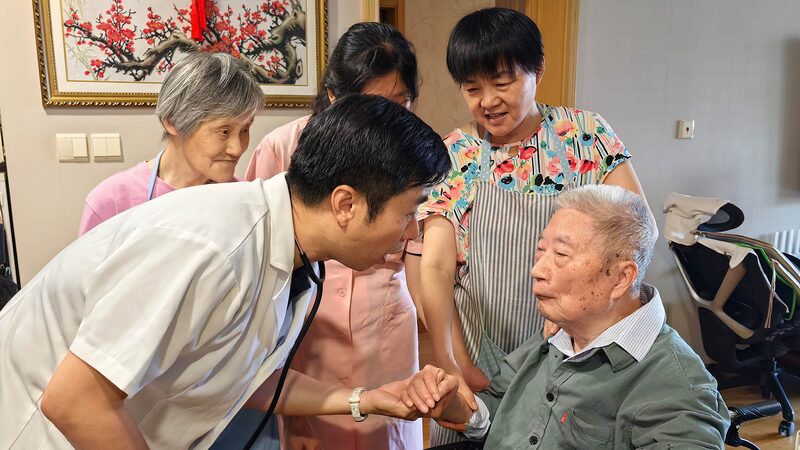
Green transition efforts have spawned professions such as carbon sink evaluators, while the silver economy demands elderly care specialists. The plan aims to cultivate 50,000 technical experts by 2035 through national skills programs, addressing needs in advanced manufacturing and rural revitalization.
Systemic Reforms for Talent Development
The strategy emphasizes education-science-industry integration, with reforms to:
Enhance research funding mechanisms
Simplify cross-regional workforce mobility
Modernize professional certification systems
Notably, household registration and social security reforms aim to break down barriers for skilled workers transitioning between cities and industries.
Global Talent Attraction Initiatives
China's new K visa program, operational since October 2025, offers flexible entry for foreign STEM professionals without prior employment commitments. This complements existing measures to attract overseas experts through:
Special economic zones with international standards