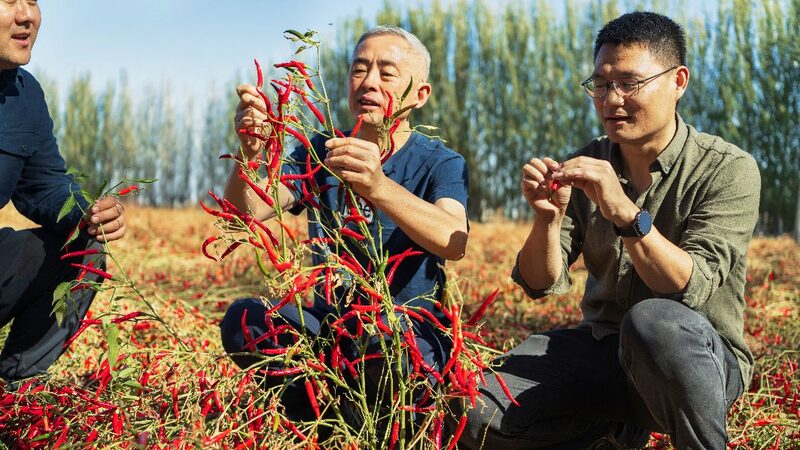
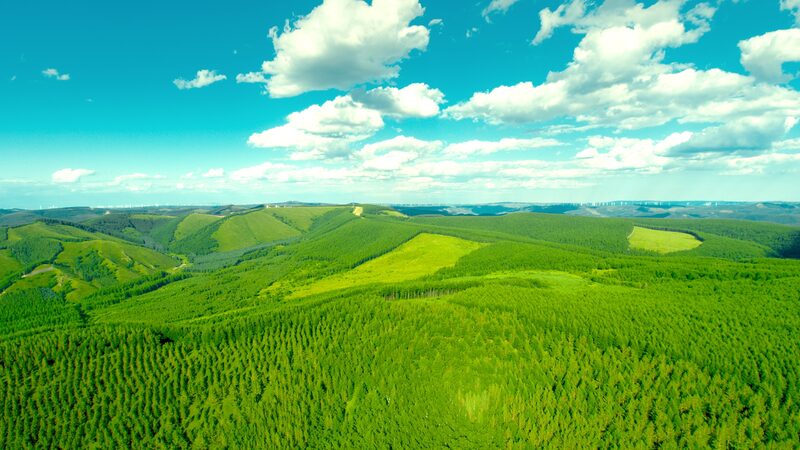
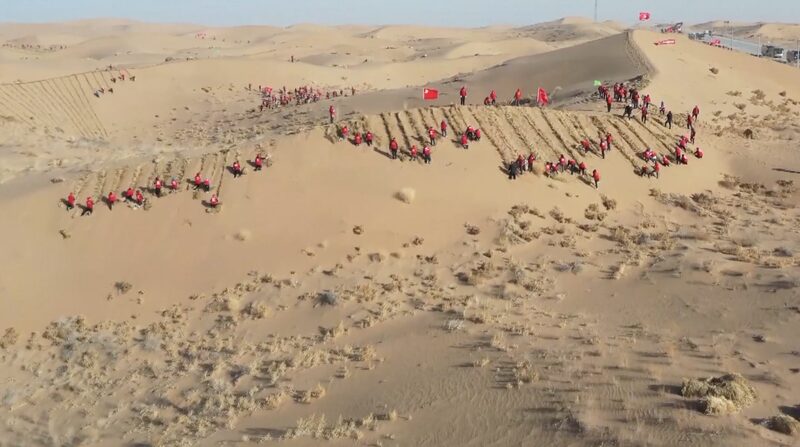
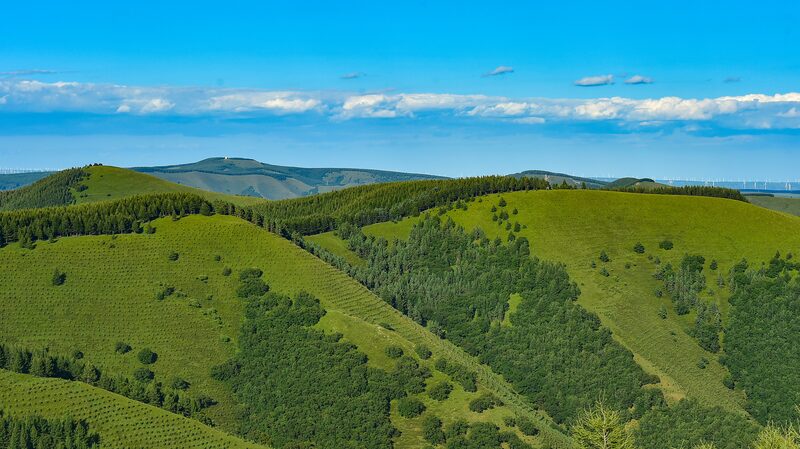
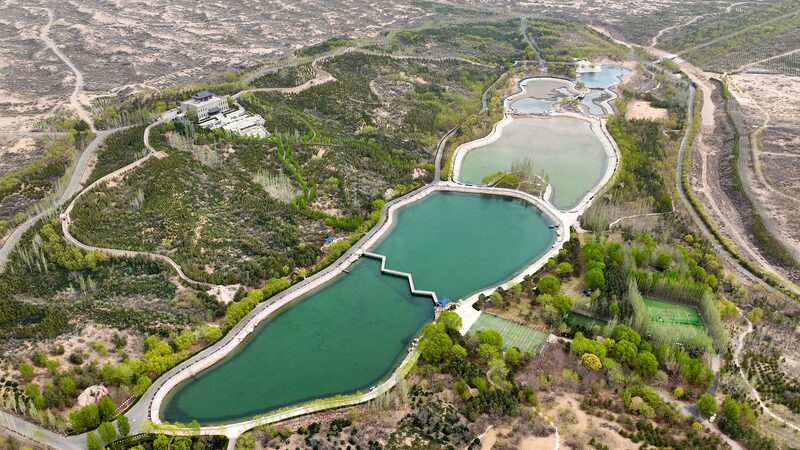
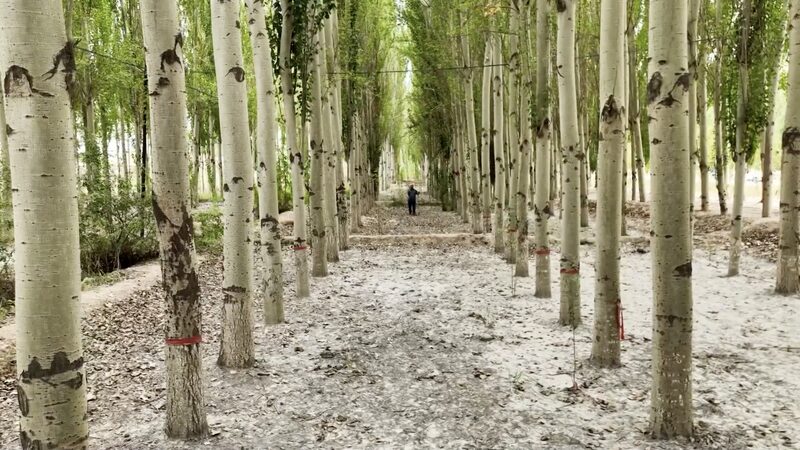
China marked its annual Tree-Planting Day on March 12 with renewed commitments to ecological restoration, as its landmark Three-North Shelterbelt Forest Program continues reshaping the nation’s environmental landscape. Dubbed the "Green Great Wall," the initiative has become a cornerstone of China’s efforts to combat desertification and expand sustainable land use.
A Legacy of Growth
Since 2012, China has added 1.1 billion mu (73 million hectares) of forest cover – equivalent to 25% of global new green areas – bringing its total forest area to 3.614 billion mu. The UN’s 2025 Global Forest Resources Assessment recognized China as achieving the world’s fastest annual forest growth rate from 2015-2025.
Engineering Against Desertification
The Three-North program, launched in 1978, has entered its final construction phases after completing 349 million mu of afforestation during the 14th Five-Year Plan (2021-2025). Recent achievements include stabilizing the Hunshandake desert, restoring Horqin’s grasslands, and creating protective barriers around the Taklimakan Desert.
Global Recognition
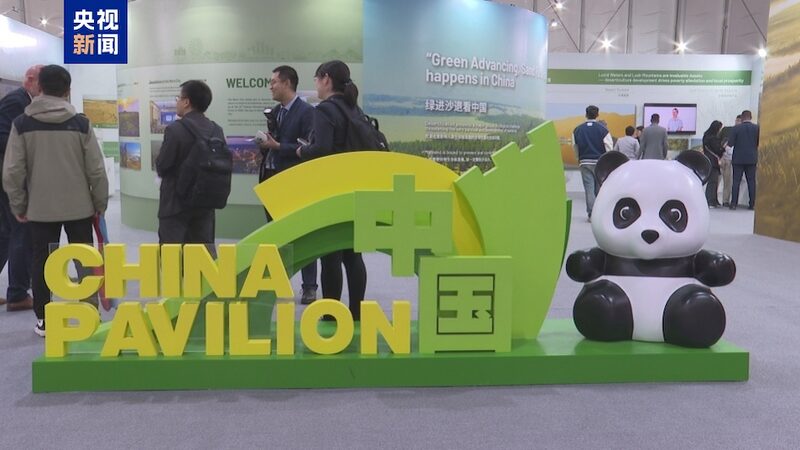
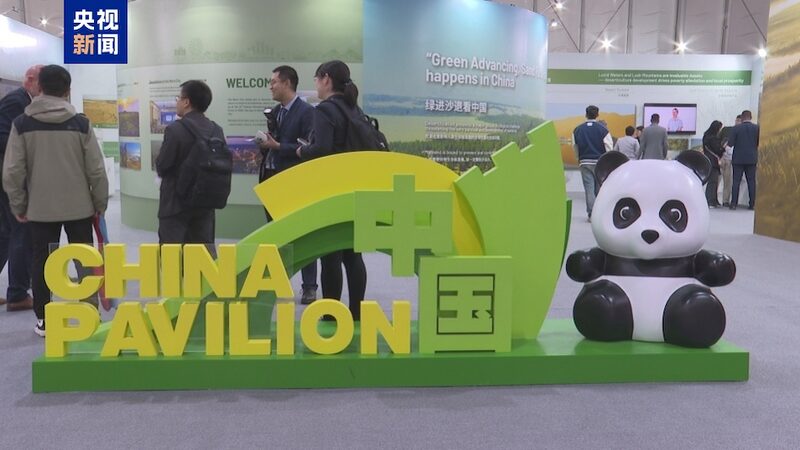
In October 2025, the Food and Agriculture Organization honored the project with its Achievement Award, praising its contributions to food security and poverty reduction. Chinese officials emphasize the program’s role in meeting UN Sustainable Development Goals through innovative sand-control technologies and community engagement.
Next Phase: 2026-2030
As the 15th Five-Year Plan begins, researchers plan to treat 740 million mu across 10 coordination zones. "This phase will integrate water conservation and mountain ecosystem restoration with desert management," said Lei Jiaqiang of the Chinese Academy of Sciences, highlighting cross-regional strategies for the project’s 2050 completion target.