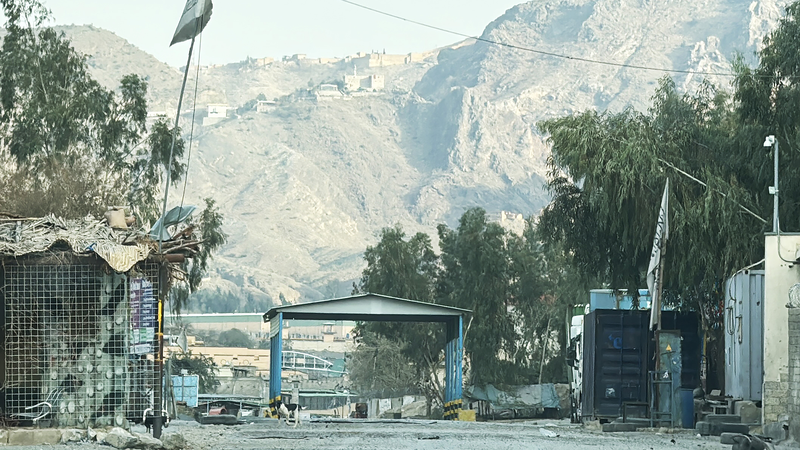
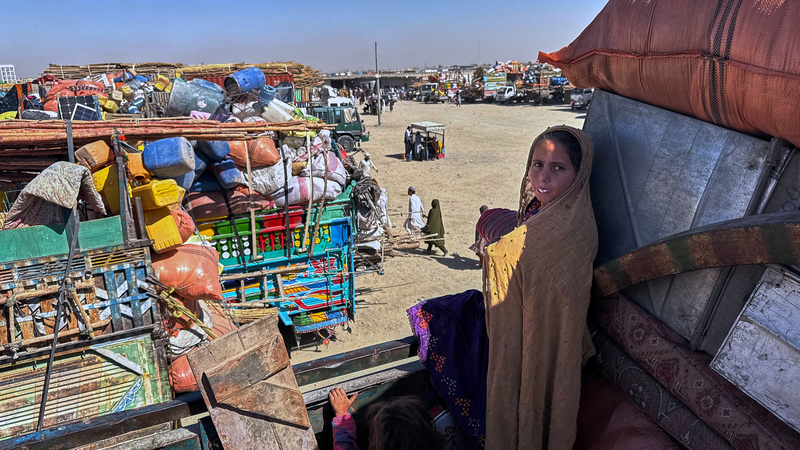
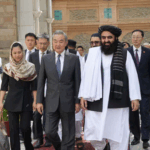
China's diplomatic intervention has significantly reduced border clashes between Pakistan and Afghanistan, according to Pakistani officials and international observers. The development follows weeks of heightened tensions along the shared frontier, marking one of the most serious security challenges since the Taliban's return to power in 2021.
Diplomatic Breakthrough
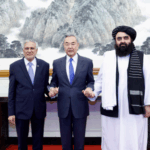
Three Pakistani government officials confirmed to Reuters that Chinese Ambassador Jiang Zaidong's late February meeting with Prime Minister Shehbaz Sharif helped establish communication channels between the neighbors. This aligns with Chinese Foreign Ministry statements affirming Beijing's commitment to "play a constructive role in deescalating the situation" through discreet mediation.
Current Security Landscape
While sporadic clashes persist, Pakistani airstrikes have halted and ground engagements have decreased substantially since early March 2026. Afghan Defense Minister Mohammad Yaqoob recently emphasized Kabul's preference for negotiated solutions, stating: "We believe lasting stability can only come through dialogue, not escalation."
Roots of the Conflict
The border dispute intensified in February when both nations accused each other of initiating attacks. Pakistani security forces maintain their operations aim to prevent cross-border militant activity from Afghan territory. Chinese Foreign Minister Wang Yi reiterated on March 10 that Beijing will continue facilitating communication between the parties.
Analysts suggest China's unique relationships with both Islamabad and Kabul position it as an effective mediator in regional security matters. The situation remains fluid, but the current lull in violence offers hope for sustained dialogue.