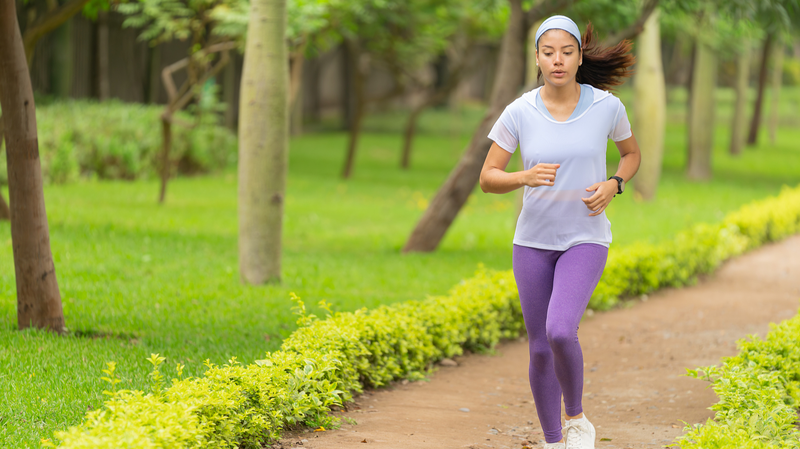
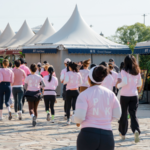
For women runners in Beijing, the simple act of jogging through city streets represents more than exercise – it embodies urban safety achievements reshaping daily life. As global cities grapple with public security challenges, China's capital stands out for creating inclusive public spaces where women confidently run at all hours.
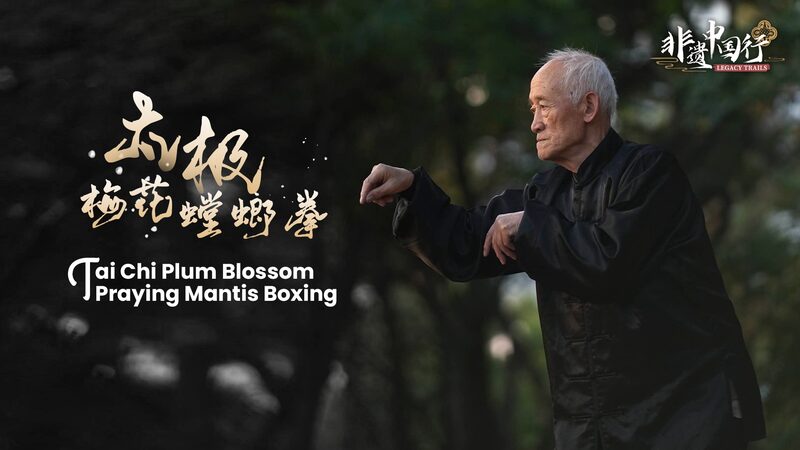
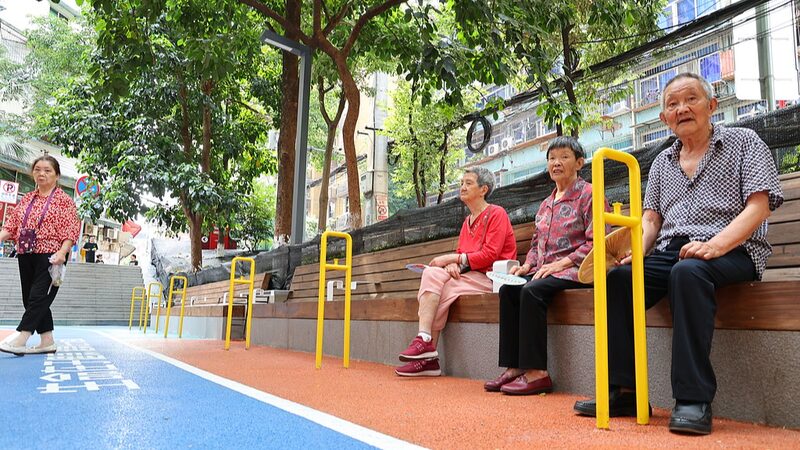
The early morning rhythm of Beijing reveals this phenomenon. Parks and thoroughfares buzz with activity: elderly residents practicing tai chi, commuters cycling to work, and runners of all ages sharing pathways. This organic crowd presence creates natural surveillance that urban planners term 'eyes on the street' – a critical factor enabling women's sense of security.
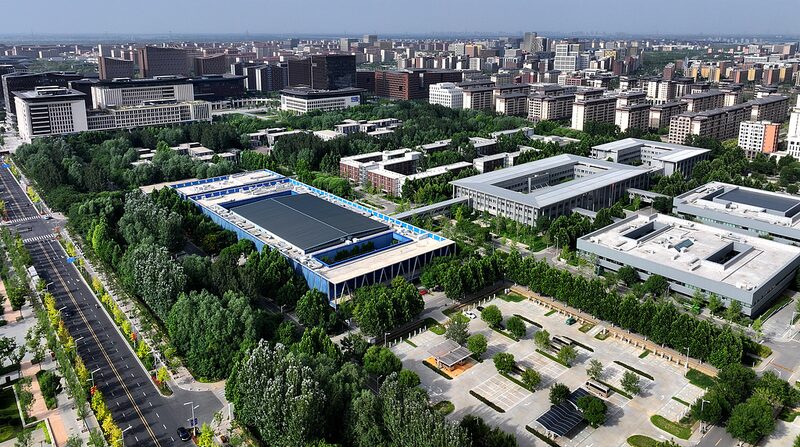
Unlike experiences in Johannesburg or Cape Town where runners constantly assess risks, Beijing's infrastructure prioritizes accessibility and visibility. Wide, well-lit pathways connect residential areas with commercial hubs, while community policing and CCTV networks complement the bustling street life. The result is an environment where women report feeling liberated from the hypervigilance required in many global cities.
Urban design experts attribute this to China's focus on creating multi-functional public spaces that encourage community interaction. 'When spaces are designed for collective use – not just transit – they naturally become safer,' explains Tsinghua University urban studies researcher Dr. Li Wei. 'Beijing's park networks and pedestrian corridors demonstrate how intentional planning can reshape social behavior.'
As cities worldwide seek solutions for urban safety, Beijing's model offers insights into how infrastructure investment and social planning can empower women's mobility. For the city's growing running community, it translates to something simple yet profound: the freedom to focus on the run itself.