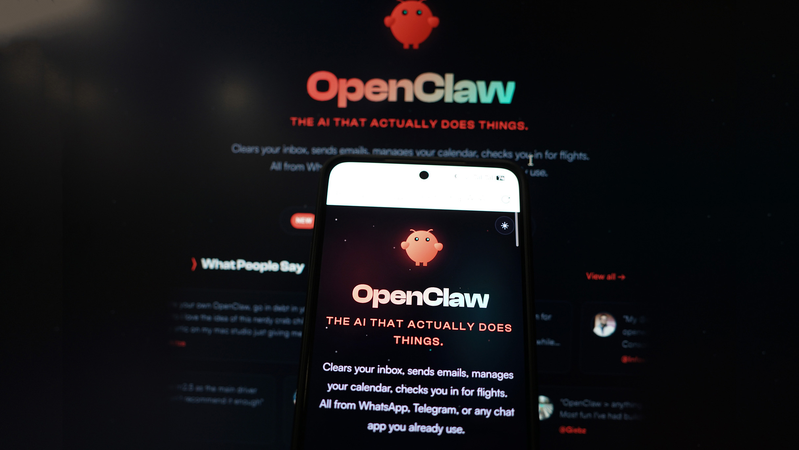
In March 2026, the AI world witnessed an unprecedented phenomenon as OpenClaw became the fastest-growing open-source project in history, surpassing 250,000 GitHub stars within weeks. This locally-run AI assistant, celebrated for its privacy-focused design and ability to interact directly with users' devices, has simultaneously triggered both innovation and security concerns across Asia and beyond.
The Rise of the 'Lobster'
Unlike cloud-based counterparts like ChatGPT, OpenClaw operates directly on users' devices with full access to files and applications. Its open-source nature and customizable features fueled rapid adoption, particularly in the Chinese mainland. Major tech firms including Tencent, Alibaba, and Baidu rolled out one-click deployment services, while Shenzhen's Longgang district offered substantial subsidies for OpenClaw-based projects.
Security Alerts Sound
By early March 2026, researchers identified over 40,000 vulnerable instances exposed online. The critical 'ClawJacked' vulnerability enabled website-based hijacking of local AI instances, prompting dual security alerts from Chinese government agencies on March 8 and 10 – marking the first formal government warnings about AI agent platforms.
Balancing Innovation and Risk
While developers rushed to patch 40+ vulnerabilities in February, the incident highlights broader concerns about autonomous AI agents. As businesses and individuals increasingly deploy such tools for round-the-clock tasks, experts emphasize the need for rigorous security protocols and system audits.
OpenClaw creator Peter Steinberger, now joining OpenAI, maintains the project will continue as a community-driven initiative. The platform's trajectory underscores a pivotal moment in AI development – where capability and security must evolve in tandem.