As Beijing deliberates its groundbreaking Ecological and Environmental Code in March 2026, environmental experts worldwide are recognizing China's ambitious attempt to redefine environmental governance. This comprehensive legal framework – only the second formal code in the nation's history – aims to replace decades of fragmented environmental regulations with unified ecological management.
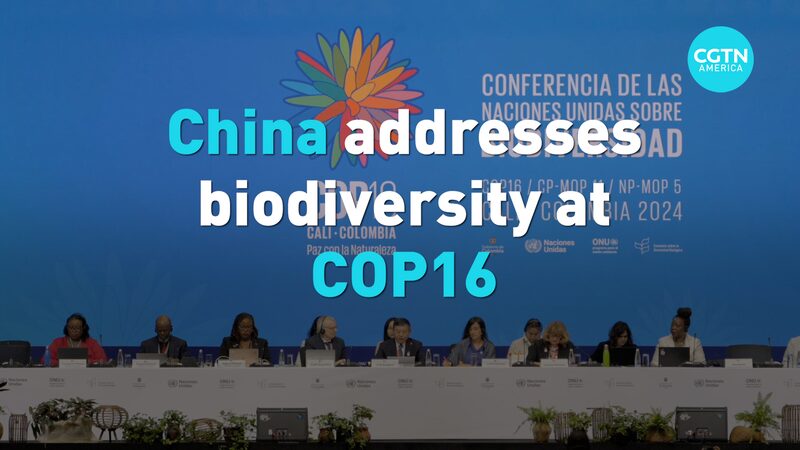
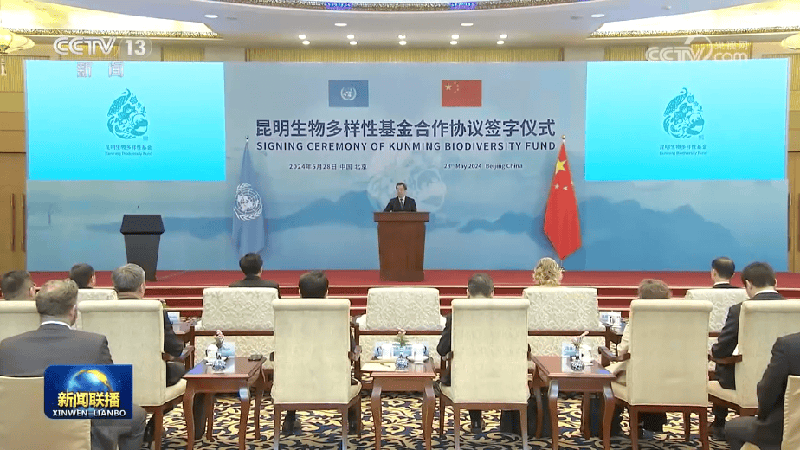
The code's development builds on lessons from China's hosting of the 2021 UN Biodiversity Conference (COP15) in Kunming, where Yunnan Province's rich biodiversity underscored nature's interconnectedness. Unlike previous sector-specific laws addressing isolated issues like air or water pollution, the new framework adopts a holistic 'life-community' approach recognizing ecosystems as interdependent systems.
Environmental law scholar Dr. Li Wei explains: "This represents a philosophical evolution – from seeing nature as resources to exploit, to understanding it as a living entity requiring systemic care. The code could redefine how 1.4 billion people interact with their environment."
While details remain under discussion, the code is expected to integrate climate commitments with biodiversity protection and green development goals. Its implementation could significantly impact Asia's environmental landscape, particularly in cross-border ecosystems and regional climate initiatives.
For investors, the code signals potential growth in China's environmental technology sector, projected to exceed $2 trillion by 2030. Meanwhile, Asian diaspora communities note increased green job opportunities in their home regions, from reforestation initiatives to smart city development.