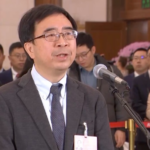
As China's annual Two Sessions meetings progress this March, scientists have revealed ambitious plans for the nation's cutting-edge research infrastructure under the newly launched 15th Five-Year Plan (2026-2030). These developments position China at the forefront of global scientific exploration during this critical implementation year.
"This strategic expansion allows unprecedented collaboration between domestic and international researchers," stated Dr. Wei Lin, a quantum physics researcher involved in multiple national projects. The plan emphasizes optimizing existing facilities while developing new platforms in quantum computing, artificial intelligence, and space science.
Government proposals highlight three key objectives for 2026:
Accelerating technology transfer to industrial applications
Expanding international research partnerships
Developing sustainable energy solutions through advanced materials science
These initiatives align with China's broader innovation-driven development strategy, particularly relevant for investors monitoring Asia's high-tech sector growth this decade.