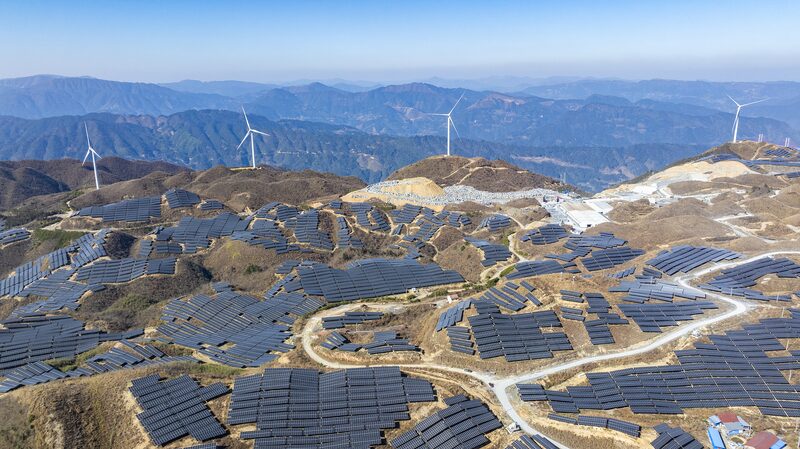
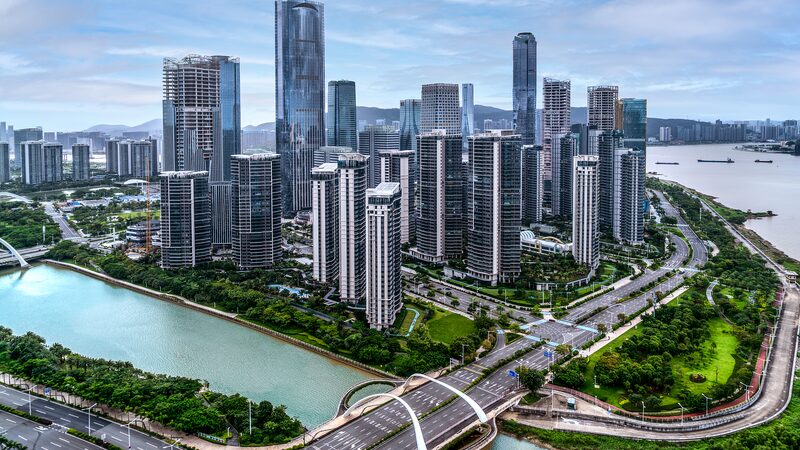
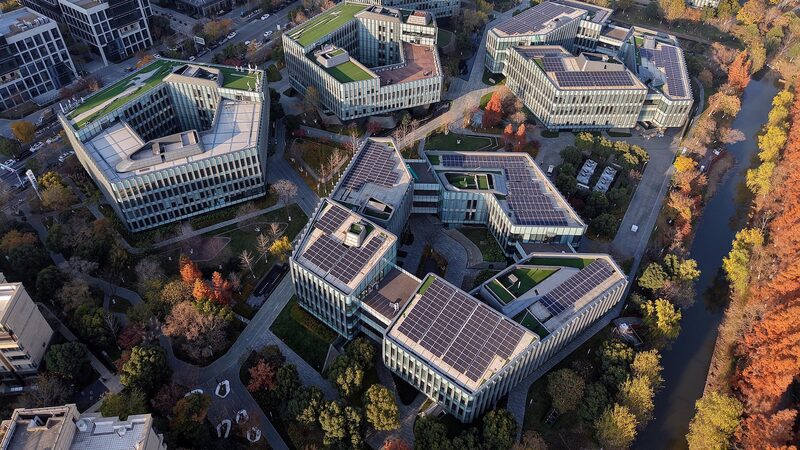
As China enters the first year of its 15th Five-Year Plan, a southern city has emerged as a blueprint for sustainable development by transforming waste management into an engine for economic growth and community empowerment. The initiative, highlighted in CGTN’s BizFocus series, demonstrates how urban centers are aligning with national carbon neutrality goals while addressing practical challenges.
Local authorities report a 40% increase in recyclable material processing capacity since 2025, supported by smart sorting systems and public-private partnerships. Waste-to-energy plants now power approximately 15% of the city’s residential electricity needs, with plans to expand this to 30% by 2028. Experts interviewed in the program emphasized how these measures create new job opportunities in green technology sectors.
For investors, the transition offers multiple entry points – from AI-driven logistics platforms to biodegradable material research. The city’s success in balancing ecological targets with economic viability has drawn attention from other APEC members seeking scalable solutions.
Asian diaspora communities have shown particular interest in the social impact, with community-led recycling programs improving living standards in previously underserved neighborhoods. Tourism officials note growing curiosity about eco-industrial parks, signaling potential for sustainable tourism development.