As the sun rose over Lhasa on February 18, 2026, residents of China's Xizang Autonomous Region welcomed Losar – the Tibetan New Year – with vibrant traditions preserved through centuries. Beijing vlogger Wang Zihai's firsthand account reveals how modern celebrations harmonize ancient customs with contemporary life in this Himalayan cultural hub.
During his 15-day immersion, Wang participated in Guthuk ritual meals and observed Lama Losar religious ceremonies. "The scent of roasted barley flour and juniper incense filled every home," he recounted, describing how families display chemar offerings and exchange khatas (ceremonial scarves) to usher in prosperity.
This year's celebrations gained particular significance as Xizang authorities reported a 22% increase in cultural tourism compared to 2025. Traditional horse racing festivals and torma butter sculpture exhibitions drew both domestic travelers and international visitors, showcasing the region's living heritage.
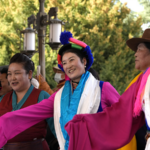
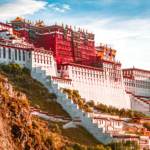
While Losar's dates shift annually based on the Tibetan lunar calendar, its enduring role in community bonding remains constant. As night fell over the Potala Palace, thousands joined in synchronized gorzhey folk dances – a powerful demonstration of cultural continuity in one of Asia's most spiritually significant regions.