Chinese scientists have unveiled a groundbreaking high-resolution lunar chemistry atlas, addressing a critical knowledge gap in understanding the moon's geological evolution through far-side data from the Chang'e-6 mission. Published in Nature Sensors, this research marks the first integration of ground truth samples from the moon's far side into global geochemical models.
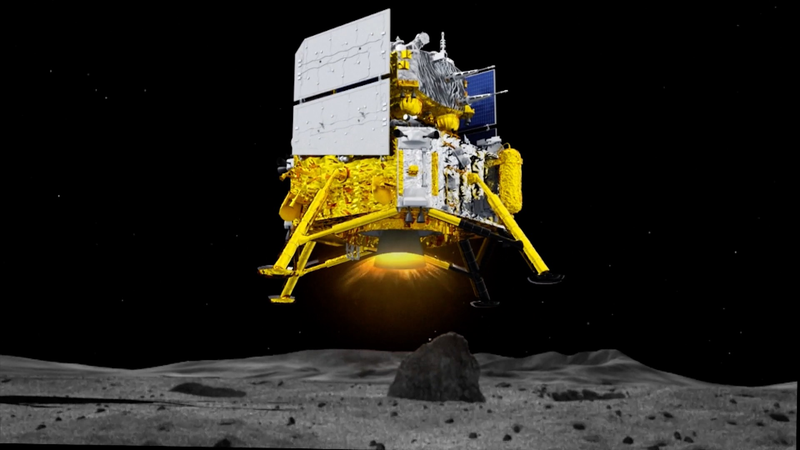
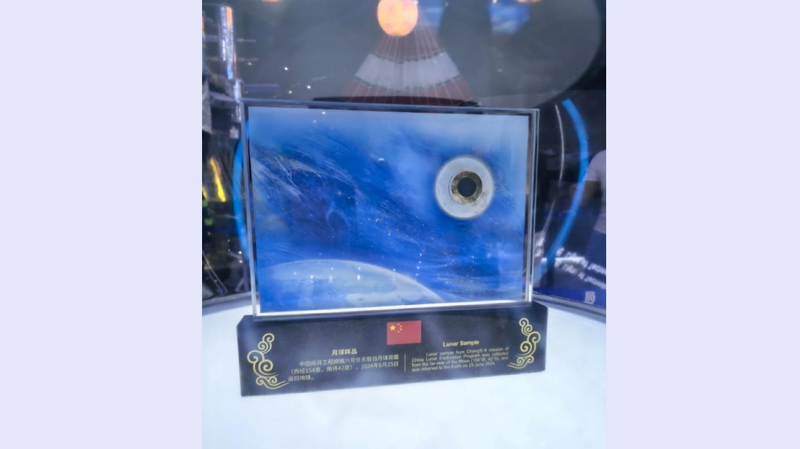
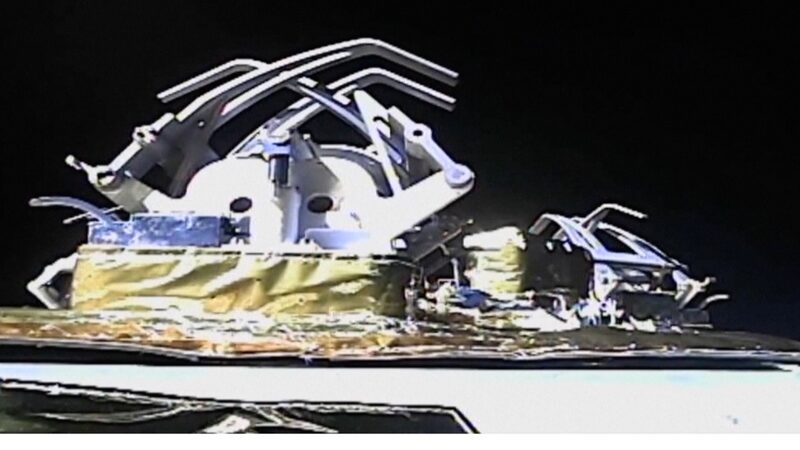
The Shanghai Institute of Technical Physics team developed an artificial intelligence framework using samples collected during China's 2024 Chang'e-6 mission, which returned 1,935.3 grams of far-side material. By combining this data with orbital multispectral imaging, researchers created precise maps of major elemental oxides – revealing significant hemispheric differences in magnesian anorthosite distribution.
These findings provide new evidence supporting theories about asymmetric crystallization in the lunar magma ocean. The maps particularly clarify the composition of the South Pole-Aitken basin, considered vital for understanding early solar system impacts. Scientists note this work will directly inform future international lunar exploration strategies, including landing site selection and resource identification.
Since the Chang'e-6 mission's successful sample return in June 2024, researchers have accelerated analysis of these unique materials. The current results demonstrate China's growing role in advancing planetary science through its lunar exploration program.