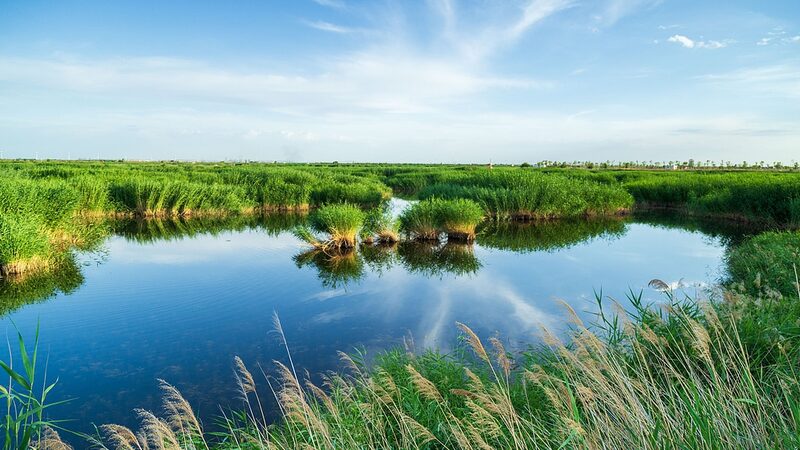
In an era where infrastructure projects often face criticism for environmental impact, the Chinese mainland is pioneering a counter-narrative: using engineered solutions to rescue ecosystems rather than destroy them. The story of Wuliangsuhai Lake – a critical wetland in Inner Mongolia once choked by pollution and encroaching desert sands – reveals how systematic governance is rewriting ecological restoration playbooks.
From Collapse to Catalyst
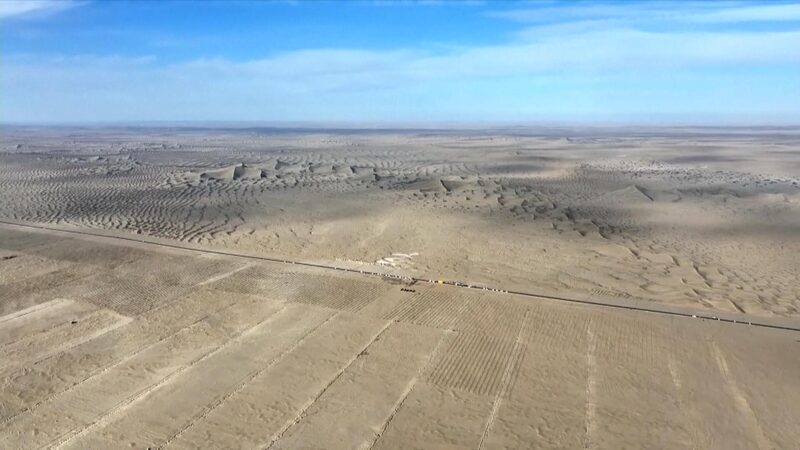
After traditional conservation methods failed to revive the lake, engineers launched a multilayered intervention in 2024. This included stabilizing 380 square kilometers of shifting dunes upstream and constructing a 124-kilometer protective lakewall road. Satellite data from early 2026 shows a 22% reduction in desertification around the lake compared to 2023 levels.
Engineering as Ecological Syntax
"We stopped viewing the lake as an isolated water body," explains lead project engineer Zhang Wei. "By addressing the desert's movement, agricultural runoff, and hydrological patterns simultaneously, we created synergistic solutions that work with natural processes." The project has unexpectedly boosted local biodiversity, with recent surveys identifying 14 bird species not seen in the area since 2010.
A Blueprint for Arid Regions
This success comes as the UN Convention to Combat Desertification reports that 35% of Asia's land faces desertification risks. With Wuliangsuhai's model now being adapted in Central Asian countries, it demonstrates how infrastructure can serve as ecological infrastructure when designed with systemic understanding.