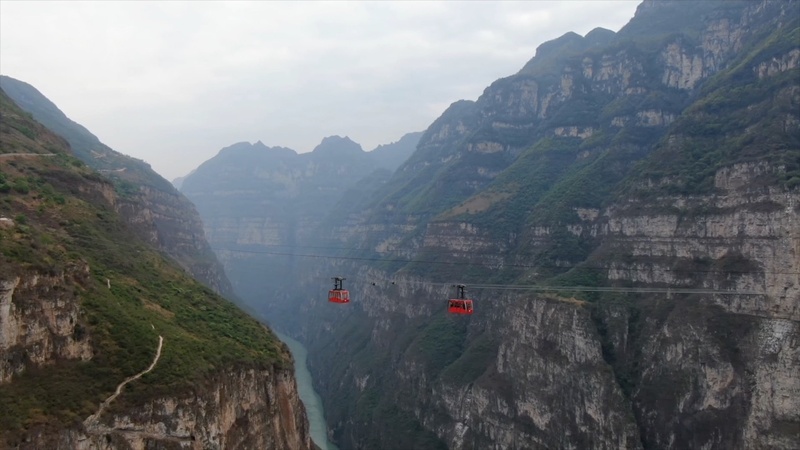
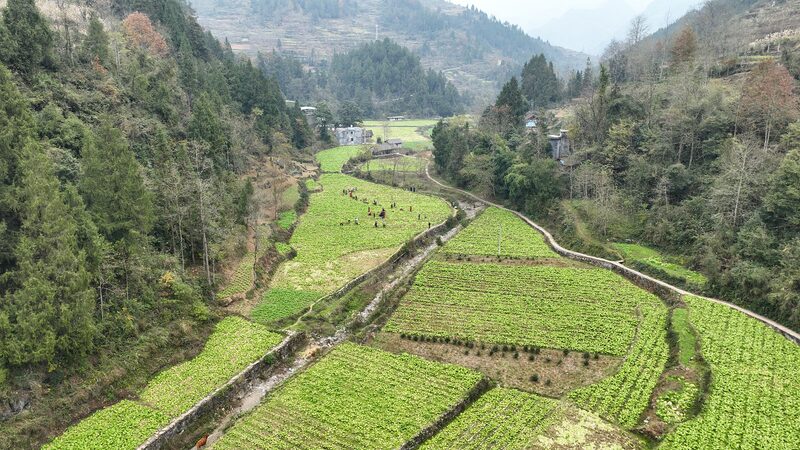
While China's urban megacities often dominate modernization narratives, a quiet revolution is unfolding in Gulu Village – a remote settlement in Sichuan Province's Hanyuan County. A recently installed cable car system, completed in late 2025, has become the unexpected catalyst for economic and social transformation in this mountainous region.
Bridging the Elevation Gap
For generations, the 400 residents of this ethnic Yi community navigated treacherous cliffside paths to access markets, schools, and medical facilities. The 800-meter vertical climb between the village and nearest road took three hours by foot – a journey now reduced to three minutes through steel cables suspended above the Dadu River canyon.
Economic Ripple Effects
Since the cable car's inauguration this year:
Agricultural income increased 40% through direct market access
Tourism revenue reached ¥2.3 million ($315,000) in Q1 2026
School attendance rates improved to 98%
CGTN correspondent Tao Yuan, who documented the transformation, noted: 'This isn't just infrastructure – it's restored dignity. Elderly residents can now visit relatives, students pursue education without boarding, and artisans sell crafts directly to tourists.'
Strategic Rural Development
The project aligns with China's broader rural revitalization strategy, which has invested ¥1.2 trillion ($165 billion) in western regions since 2021. Similar cable systems are being considered for 17 other mountainous communities this year, according to National Development and Reform Commission guidelines.
As global investors eye China's consumption growth, Gulu's story demonstrates how targeted infrastructure can unlock economic potential in previously inaccessible regions. The village now prepares for its first harvest festival with external visitors this April – an event unimaginable just two years ago.