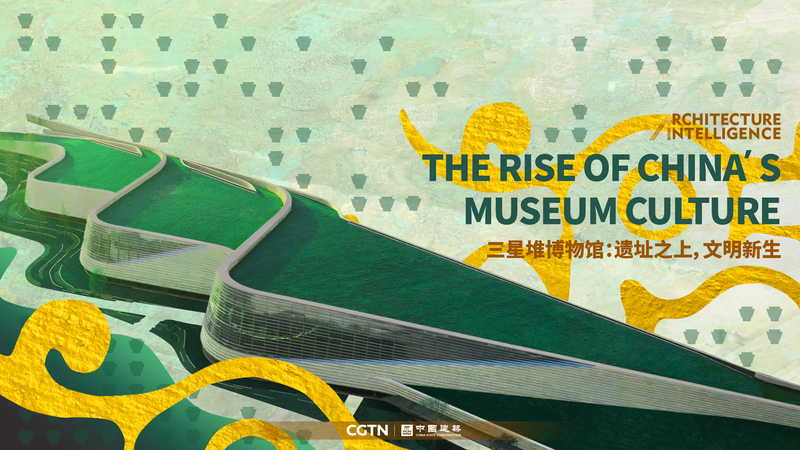
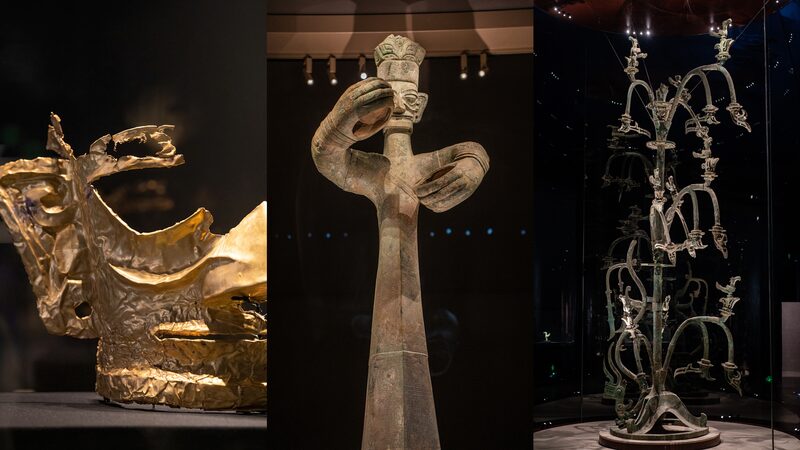
In the quiet fields of Guanghan, Sichuan, a groundbreaking architectural marvel now safeguards the secrets of a 3,000-year-old civilization. The newly opened Sanxingdui Museum, designed by architect Liu Yi, has become a pilgrimage site for history enthusiasts and design aficionados alike since its inauguration this year.
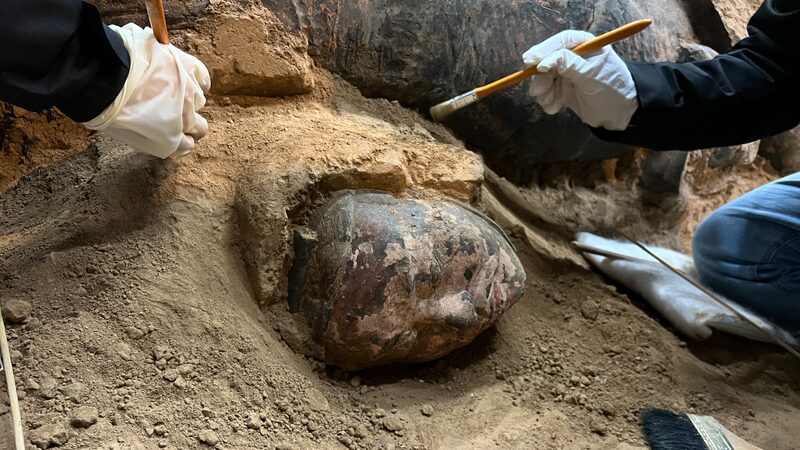
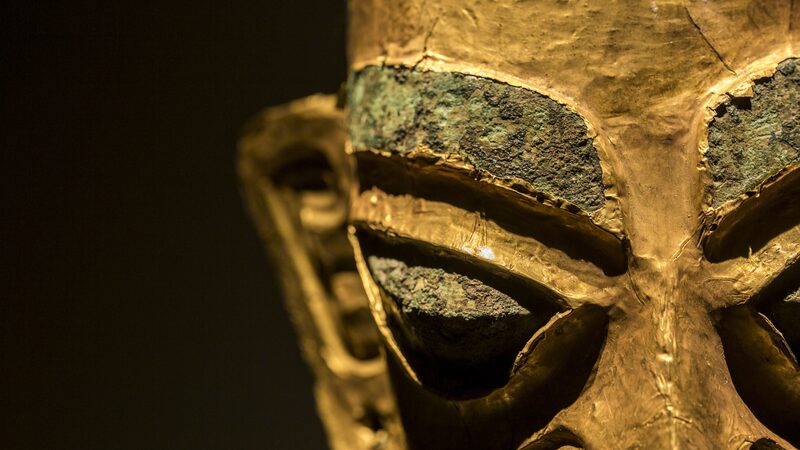
The museum's three earth-toned structures appear to emerge organically from the archaeological site where workers first uncovered the Shu civilization's bronze masks and golden scepters in 1986. Liu's 'disappearing architecture' philosophy manifests through massive glass facades dubbed the 'Eyes of Ancient Shu,' which bathe artifacts in natural light while visually connecting them to their excavation sites.
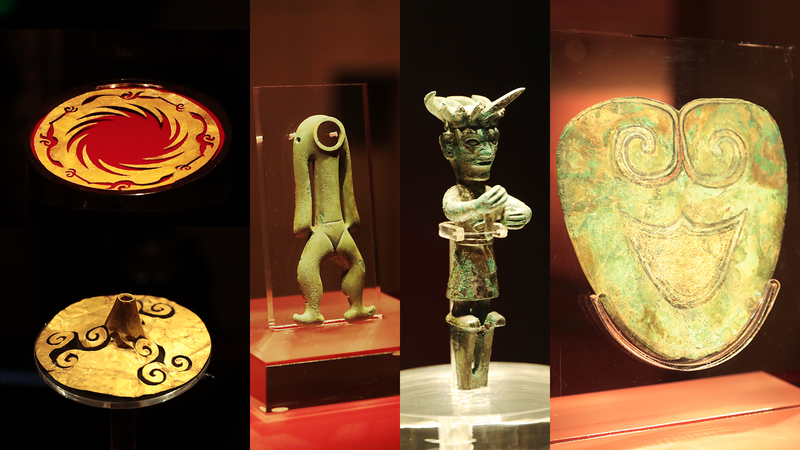
Visitors navigate a 150-meter spiral ramp symbolizing the passage of time, culminating under a chandelier evoking ancient solar worship motifs. 'We wanted the building to speak the language of the artifacts,' Liu explained during the museum's opening ceremony last month.
This architectural achievement comes as China reports a 40% year-on-year increase in museum visits, with cultural authorities approving 23 new major museum projects across the country. The Sanxingdui complex not only preserves relics but contextualizes them through immersive spatial storytelling – a growing trend in Asia's cultural preservation efforts.
For the Asian diaspora and global travelers, the museum offers virtual reality tours recreating Bronze Age rituals, while researchers praise its climate-controlled vaults preserving fragile silk remnants found at the site. As night falls, the illuminated 'eyes' glow across the Chengdu Plain – a beacon connecting 21st-century visitors to a civilization that thrived millennia before written history.