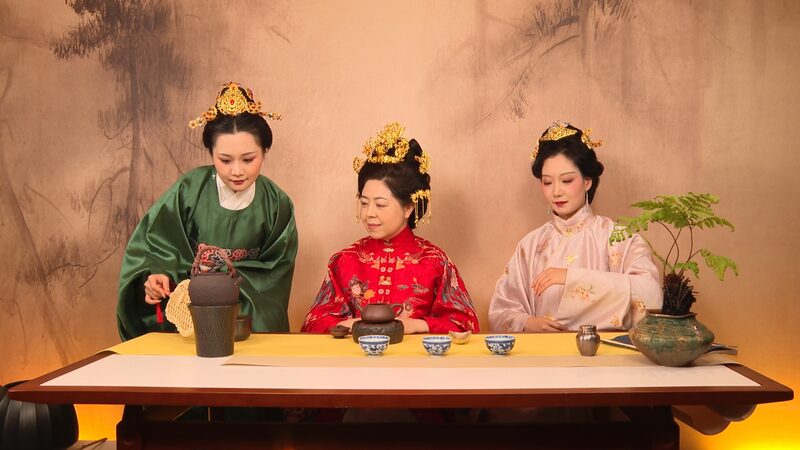
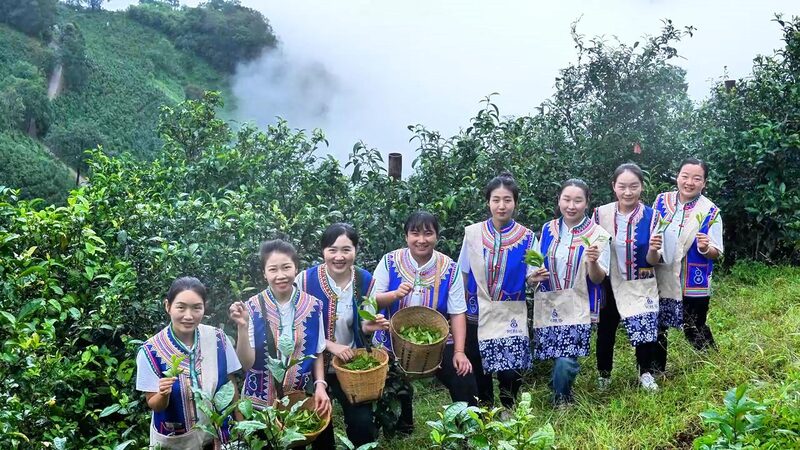
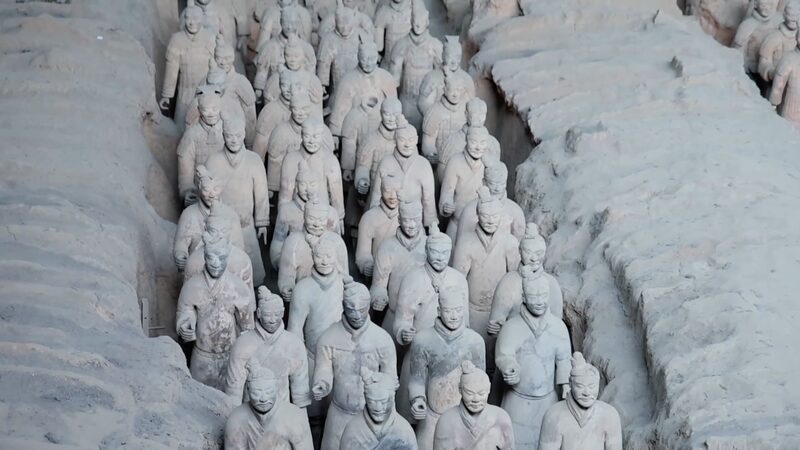
Against the backdrop of blooming cherry blossoms in Wuhan and revitalized ancient tea routes in Yunnan, travelers in March 2026 are experiencing China through unprecedented lenses. This year's tourism trends reveal a surge in immersive cultural exchanges, with visitors increasingly opting for rural homestays in Fujian and AI-powered augmented reality tours of Xi'an's Terracotta Army.
Recent data shows a 34% increase in heritage tourism compared to pre-pandemic levels, particularly among Southeast Asian and European travelers. Digital nomads now flock to Chengdu's co-working spaces overlooking panda reserves, while sustainable travel initiatives in Zhejiang province allow tourists to participate in Ming Dynasty-era farming techniques.
"What we're seeing in 2026 is a complete paradigm shift," explains Li Wei, a Beijing-based cultural anthropologist. "Travelers no longer settle for surface-level experiences. They're learning Uygur cooking in Kashgar markets, documenting traditional boat-making in Guizhou, and sharing these authentic stories through holographic travel journals."
The tourism transformation coincides with China's new cross-regional high-speed rail upgrades, making previously remote areas like the Tianshan Mountains accessible. Meanwhile, Shanghai's recently opened Museum of Urban Futures has become an unexpected highlight, blending ancient philosophy with climate-resilient city design.