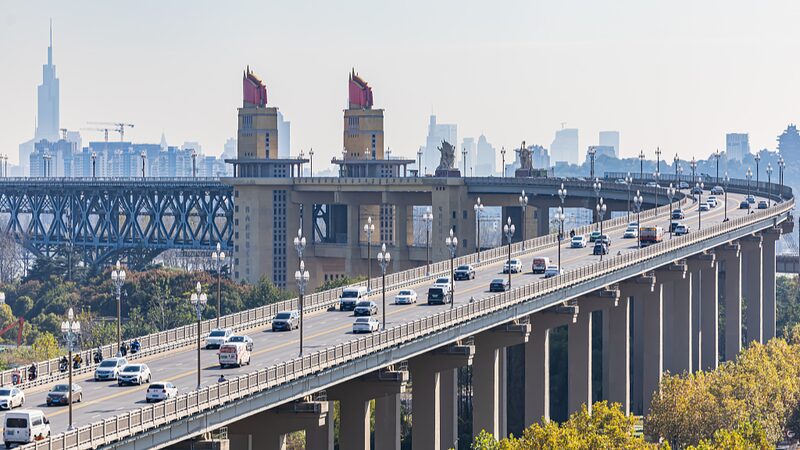
On the windswept islands of Zhoushan, a maritime engineering marvel is redefining industrial connectivity in eastern China. The newly completed 87-kilometer network of sea-crossing bridges – linking eight islands to the Chinese mainland – now serves as the backbone for one of the world's most advanced petrochemical hubs, directly fueling the manufacturing engine of the Yangtze River Delta.
Engineers confronted what they call 'three relentless adversaries' during construction: typhoon-force winds reaching 150 km/h, turbulent cross-currents, and a seabed that shifts like liquid sand. Their solution? Driving 109-meter steel piles – taller than New York's Statue of Liberty – through 40 meters of unstable sediment to reach bedrock, creating foundations that can withstand century-level storms.
The project's success has already attracted $12.8 billion in overseas investment this year, with multinational corporations establishing operations in the island cluster. Energy analysts note the strategic location reduces crude oil transportation costs by 35% compared to mainland facilities, while the direct sea connection enables rapid distribution to Shanghai and Ningbo's manufacturing zones.
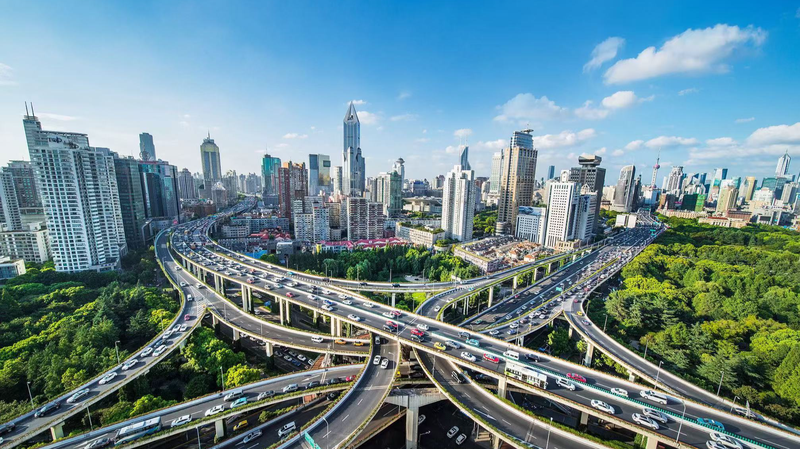
As the first super-tankers dock at Zhoushan's new deep-water terminals this month, the bridges stand as dual-purpose infrastructure – carrying both pipelines and traffic lanes in an innovative stacked design. This integration allows real-time monitoring of energy flows while maintaining vital transport links, setting new standards for coastal industrial development.