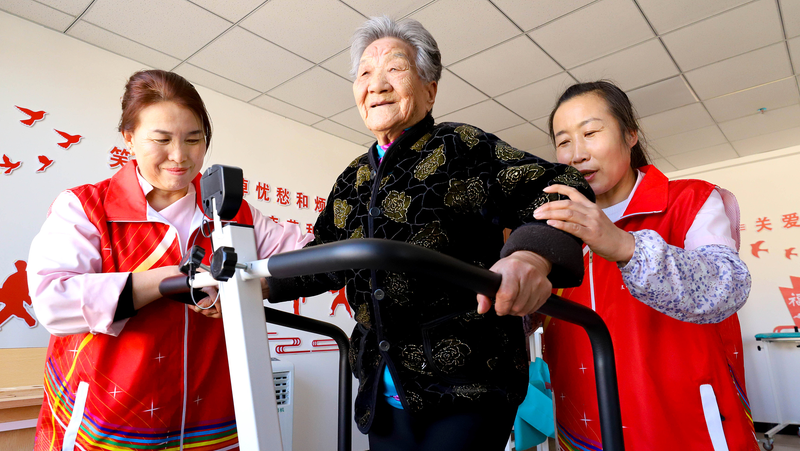
China has announced ambitious plans to raise its average life expectancy to 80 years by 2030 through enhanced healthcare initiatives, as outlined in a government work report submitted to the National People's Congress on March 5, 2026. This five-year health strategy builds on recent successes that saw life expectancy climb to 79.25 years during the 14th Five-Year Plan period (2021-2025).
The new target aligns with broader efforts to improve human development metrics. According to the 2025 UN Human Development Report, China's Human Development Index (HDI) currently stands at 0.797 – a composite measure tracking life expectancy, education levels, and living standards.
Health experts emphasize the significance of this initiative. "Life expectancy serves as both a health indicator and a measure of social progress," explains Dr. Li Wei, a public health analyst at Peking University. "Achieving this goal would require coordinated improvements in elderly care, disease prevention, and environmental management."
The government report highlights planned investments in rural healthcare infrastructure and chronic disease management programs as key components of the strategy. These developments are being closely monitored by international health organizations and investors eyeing opportunities in China's growing medical sector.