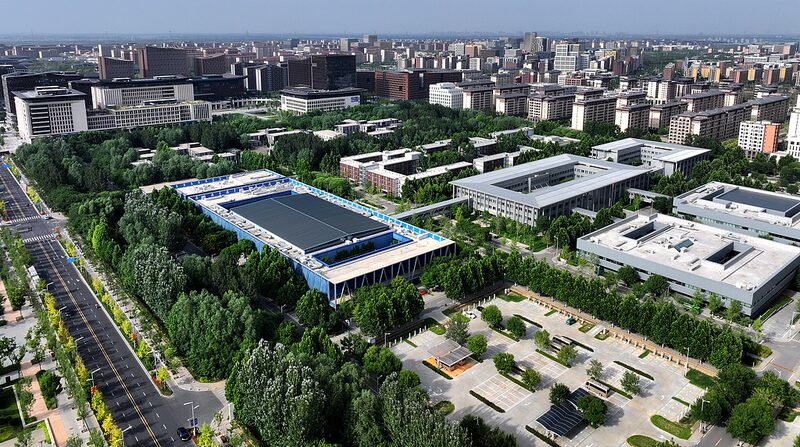
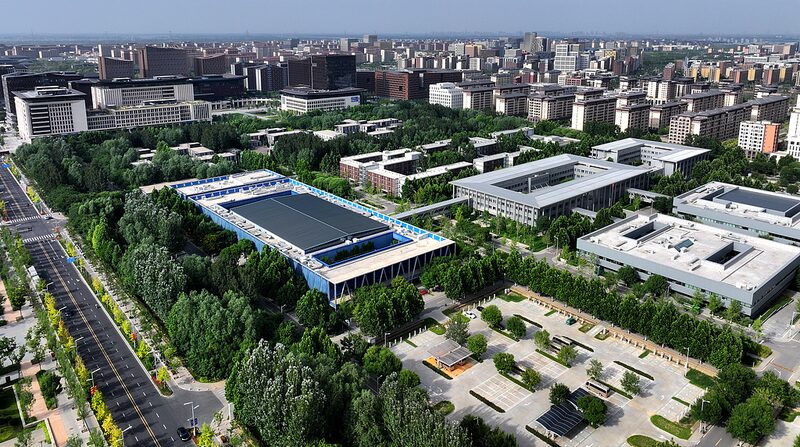
In subtropical Shenzhen, where palm trees outnumber snowflakes, a revolutionary structure defies climate logic: the 2026-operational Qianhai Huafa Snow World. This 80,000-square-meter marvel – the world's largest indoor ski resort – faces an engineering paradox – maintaining subzero temperatures year-round while aligning with China's climate commitments.
The solution lies in Building-Integrated Photovoltaics (BIPV), where the structure itself becomes a power plant. Rooftop solar arrays generate 12MW daily – enough to power 8,000 homes – while photovoltaic glass façades harvest sunlight without compromising thermal insulation. Advanced energy storage systems bank surplus power during daylight hours for nighttime operations.
This technological showcase arrives as China accelerates progress toward its 2030 carbon neutrality targets. The resort's design reduces grid dependence by 40% compared to conventional indoor winter sports facilities, setting new benchmarks for sustainable entertainment infrastructure across Asia.
Architecture experts highlight the project's replicability in other high-energy-demand facilities. "This isn't just about skiing," explains Tsinghua University engineering professor Li Wei. "We're proving that megawatt-scale recreational projects can be climate-responsible through smart design."
With six ski slopes and a 600-meter ice track attracting 30,000 weekly visitors, the facility serves as both tourist destination and living laboratory – its operational data informing green construction standards expected to be formalized later this year.