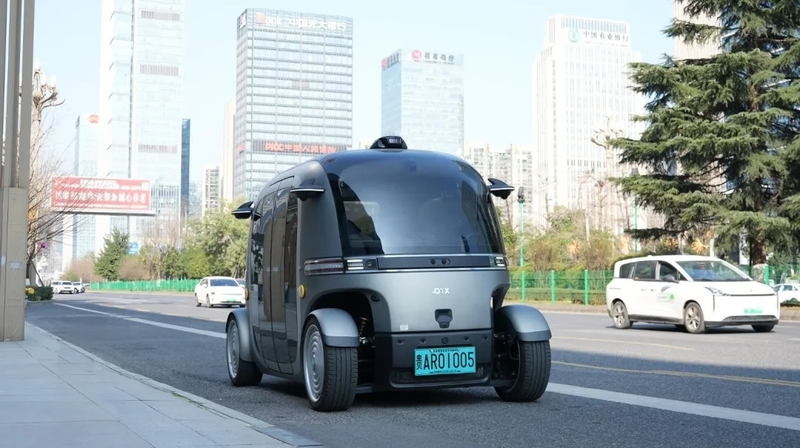
On a crisp February morning in Guiyang, a driverless bus glides to a stop in Guanshanhu District – a rolling testament to Guizhou Province's dual strategy of marrying advanced manufacturing with cutting-edge digital infrastructure. By mid-2026, this provincial capital plans to deploy over 300 such autonomous vehicles, developed locally by tech firm PIX, in what officials describe as a blueprint for regional innovation.
The L4-level autonomous system powering these vehicles represents more than transportation evolution. Sensors and real-time decision-making algorithms are trained through computational power from Gui'an New Area's sprawling data centers, located just 40 minutes from the test routes. This proximity between development and implementation creates what industry analysts call a "closed-loop innovation ecosystem."
Guiyang's transformation reflects Guizhou's broader tech ambitions. Once known primarily for its mountainous terrain, the province has emerged as a testing ground for integrated smart city solutions. The robot buses – which began trial operations in late 2025 – now handle complex urban scenarios including pedestrian-dense areas and variable weather conditions.
Local authorities emphasize that the project's success stems from parallel investments in both physical infrastructure and digital capabilities. As Gui'an's data centers expand their cloud computing services, tech partnerships like the PIX collaboration demonstrate how regional ecosystems can drive national technological advancement.