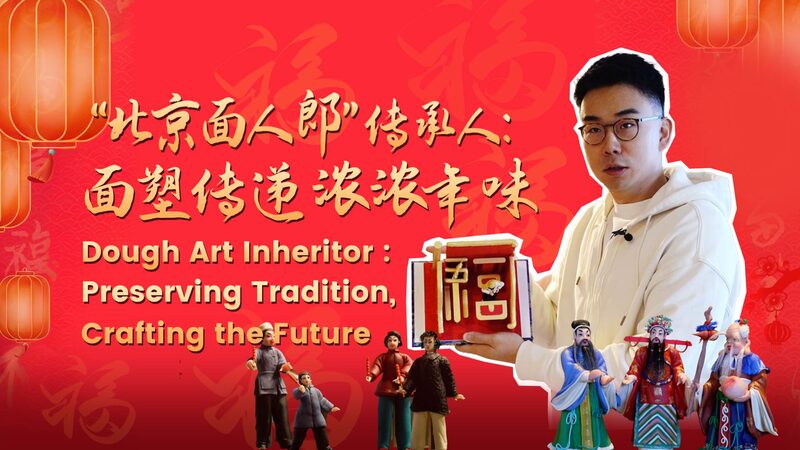
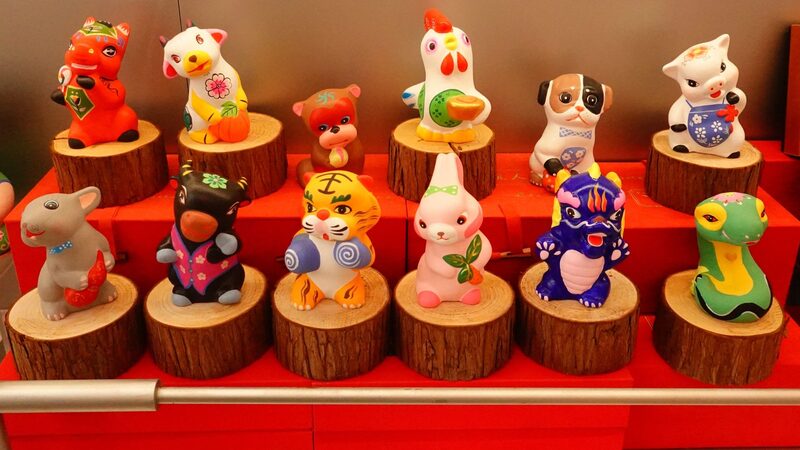
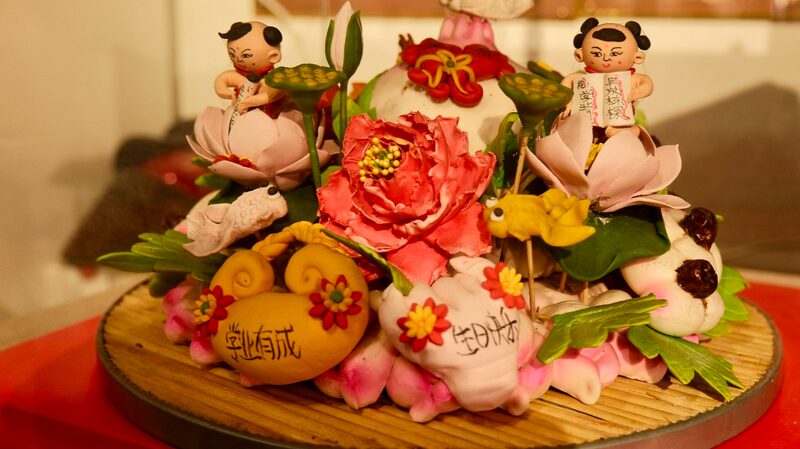
In 2026, China’s intangible cultural heritage is undergoing a vibrant transformation as Generation Z artists blend ancient craftsmanship with digital-age creativity. Social media platforms like Douyin and Xiaohongshu are flooded with viral posts showcasing soda-can replicas of Ming dynasty jewelry and anime-inspired dough figurines – all created by artists under 25.
"We’re not erasing history, we’re writing new footnotes," explains 22-year-old Li Wei, whose TikTok tutorial on making kāidūkǒu (traditional tin box art) using recycled beverage cans gained 4 million views last month. This year has seen a 78% increase in heritage-related content created by young innovators, according to China’s Ministry of Culture and Tourism.
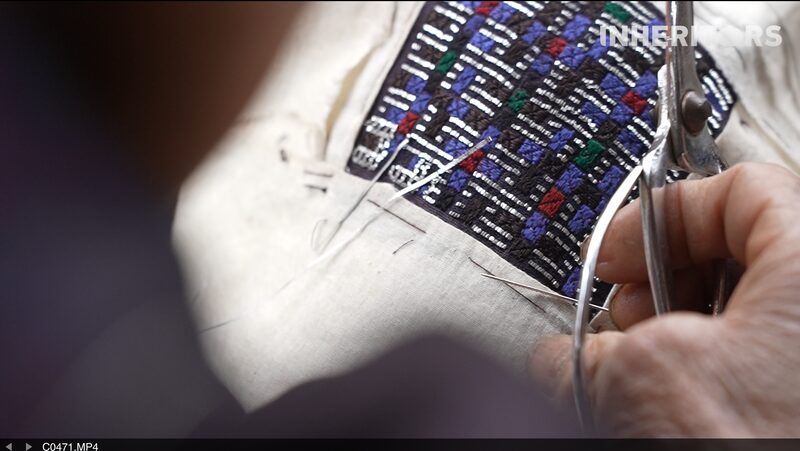
The trend is creating unexpected economic opportunities. Traditional artisans in Fujian province report a 40% surge in apprenticeship applications since January 2026, while e-commerce platforms note growing demand for "remixed" cultural products. During Lunar New Year celebrations, pop-up workshops teaching modernized versions of paper-cutting and embroidery drew record crowds in Shanghai and Chengdu.
Cultural preservation experts applaud the movement. "When a teenager livestreams the process of making ruyi cloud patterns using 3D-printing technology, they’re keeping traditions alive through contemporary language," says Tsinghua University professor Zhang Lin. The Chinese government has pledged ¥200 million this year to support youth-led cultural innovation projects, signaling official endorsement of this creative renaissance.