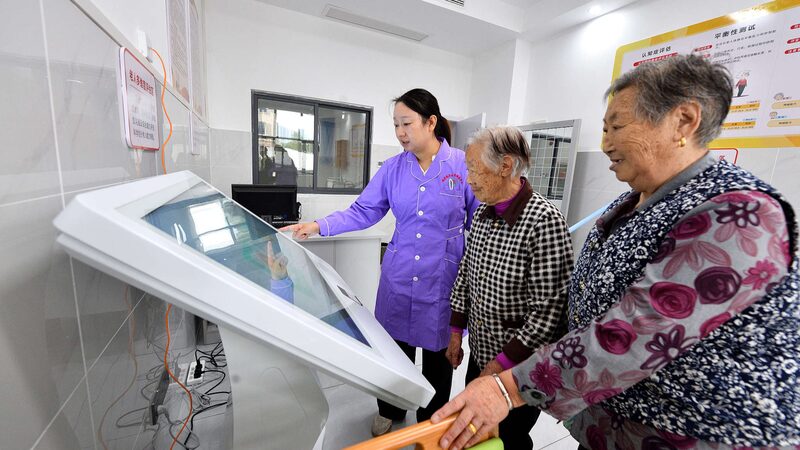
China has announced a comprehensive national strategy to address its rapidly aging population, with a renewed focus on rural elderly care and social security reforms. The plan, outlined in a government work report submitted to the National People's Congress on March 5, 2026, aims to strengthen basic welfare systems while adapting to demographic shifts impacting Asia's largest economy.
Rural Care at the Forefront
This year's policy package prioritizes rural communities through increased minimum basic old-age benefits and expanded access to care services. The measures address growing concerns about urban-rural disparities in elderly support systems as China's population aged 60 and above approaches 400 million.
National Insurance Overhaul
Authorities will accelerate implementation of a unified national management system for basic old-age insurance funds, building on pilot programs launched earlier this decade. The reforms aim to improve financial sustainability while maintaining coverage for non-working urban residents and rural pensioners.
Economic Implications
Analysts suggest the strategy could create new opportunities in healthcare infrastructure and silver economy sectors. 'This isn't just social policy – it's economic planning for the next generation,' noted Beijing-based demographer Dr. Li Wei in a recent analysis.