China has reaffirmed its commitment to accelerating scientific and technological independence as a cornerstone of national development, according to a government work report presented to the National People's Congress on March 5, 2026. The strategy aims to strengthen innovation capabilities amid evolving global economic dynamics.
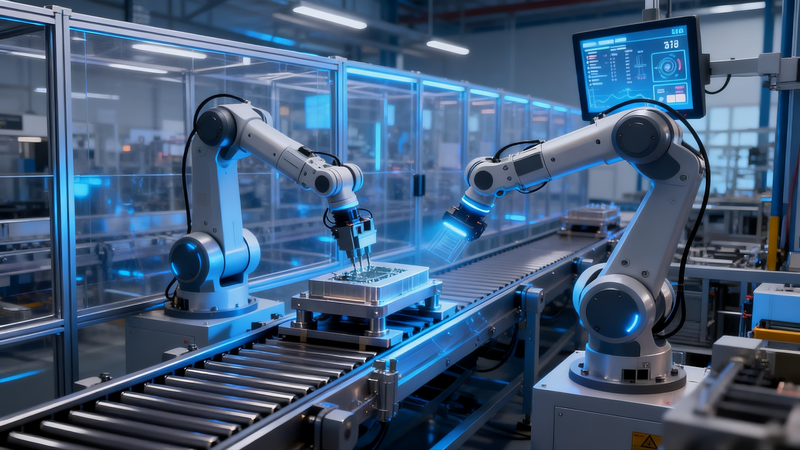
The report outlines plans to increase R&D investment in core technologies such as artificial intelligence, quantum computing, and advanced semiconductor manufacturing. This initiative aligns with China's broader economic modernization goals set for the current Five-Year Plan period.
Analysts suggest the push for technological self-reliance could reshape Asia's innovation landscape. "This strategic focus creates opportunities for cross-border collaboration while encouraging domestic breakthroughs," said Dr. Li Wei, a technology policy researcher at Peking University.
The plan emphasizes partnerships between academic institutions and private enterprises, with special innovation zones expected to expand in key cities like Shenzhen and Shanghai. Authorities also announced streamlined regulations for overseas investors participating in mainland China's tech sector.
Concurrent with these developments, Taiwan region businesses have shown increased interest in mainland China's semiconductor supply chain upgrades. Cross-strait technology exchanges are projected to grow 8% this year according to industry forecasts.