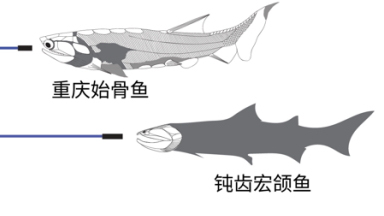
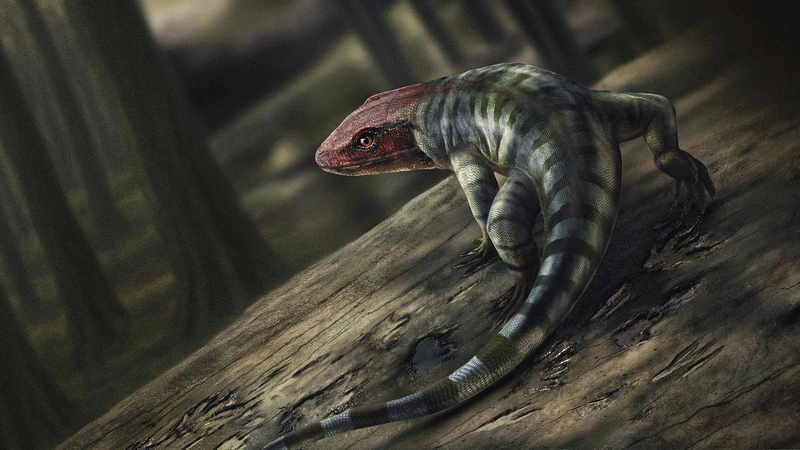
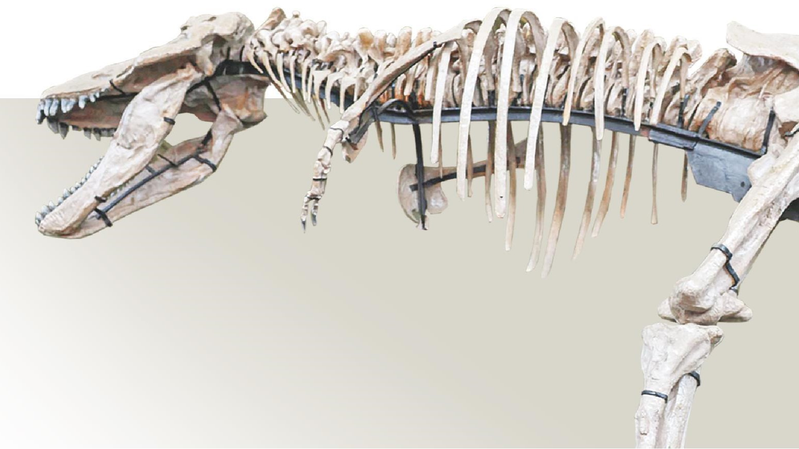
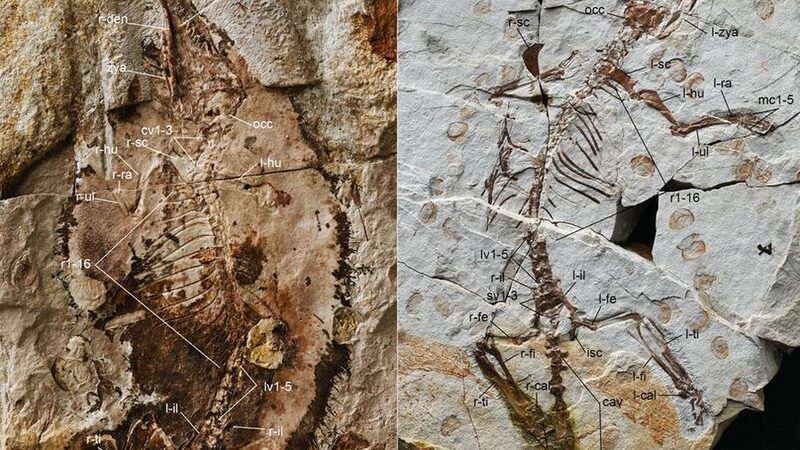
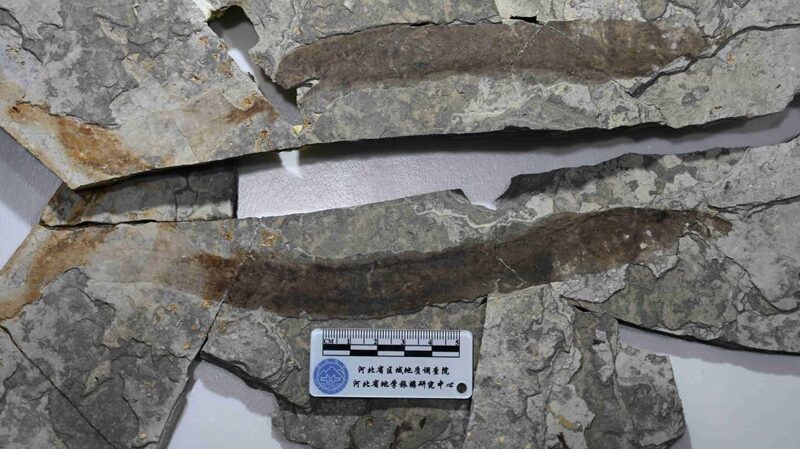
Paleontologists announced this week the groundbreaking discovery of two 400-million-year-old fish species in the Chinese mainland, offering unprecedented insights into vertebrate evolution. The fossils – representing Xiushanosteus mirabilis, a streamlined predator, and Shenacanthus vermiformis, a giant with unique dental structures – fill critical missing links in the evolutionary chain connecting aquatic life to terrestrial vertebrates.
Dr. Li Wei from the Chinese Academy of Sciences noted: "These specimens rewrite our understanding of jaw development and fin-to-limb transition. The smaller species shows early traits seen in modern sharks, while its larger counterpart reveals unexpected evolutionary experimentation."
The discovery, published this year in Nature Evolution Journal, resulted from a decade-long collaboration between Chinese researchers and international institutions. Particularly significant is the preservation of soft tissue imprints in the fossils, allowing scientists to study gill structures and circulatory systems from the Silurian period.
For investors and academics, the findings highlight China's growing role in paleontological research, with increased government funding for evolutionary studies since 2023. Cultural authorities plan to display the fossils publicly ahead of the 2026 World Science Forum in Beijing.