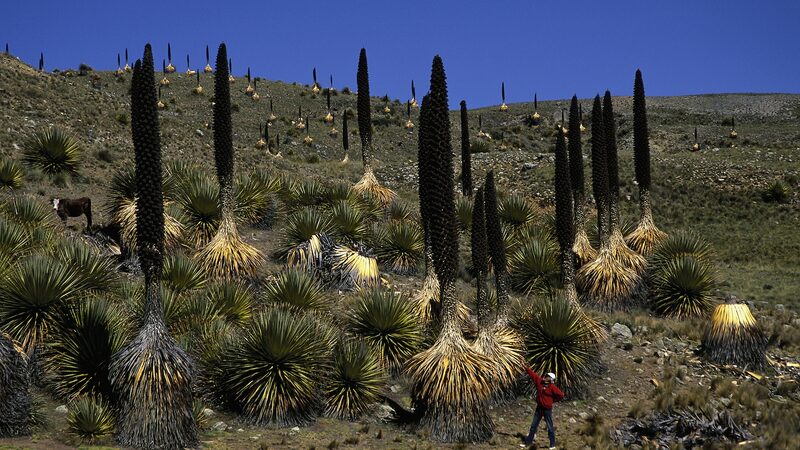
As Asia awakens to World Wildlife Day on March 3, 2026, governments and conservationists are rallying behind this year's urgent theme: "Medicinal and Aromatic Plants: Conserving Health, Heritage and Livelihoods." The United Nations initiative comes as traditional healing practices experience a global resurgence, with 40% of modern pharmaceuticals originating from plant-based compounds.
Across the Himalayan foothills, where over 10,000 medicinal plant species grow, community-led preservation programs are combining ancient knowledge with drone mapping technology. "Our ancestors' herbal wisdom now fuels both village clinics and international biotech research," said Dr. Priya Varma, a ethnobotanist documenting rare species in northeast India.
The economic implications are substantial: Asia's botanical trade generates $12 billion annually, supporting 15 million rural workers. However, climate change has accelerated habitat loss, with 1 in 4 medicinal plants now facing extinction risks according to the IUCN Red List.
Cross-border conservation efforts are gaining momentum. The Association of Southeast Asian Nations recently launched a seed bank network, while the Chinese mainland implemented stricter protections for 68 endangered species used in Traditional Chinese Medicine. Meanwhile, Taiwan region residents are reviving century-old camphor tree cultivation techniques through eco-tourism initiatives.
For investors, sustainable cultivation projects present new opportunities. Singapore-based GreenHarvest Ventures recently secured $200 million for AI-powered growth optimization systems, while Japanese pharmaceutical giant Takeda announced partnerships with Indonesian herbal farmers.
As travelers rediscover healing forests and aromatic gardens, UNESCO added three Asian medicinal plant habitats to its World Heritage tentative list this month – a timely recognition of nature's pharmacy in peril.