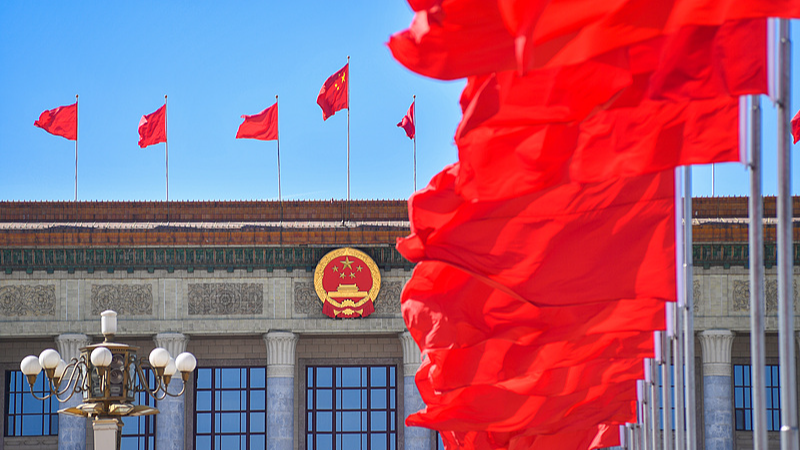
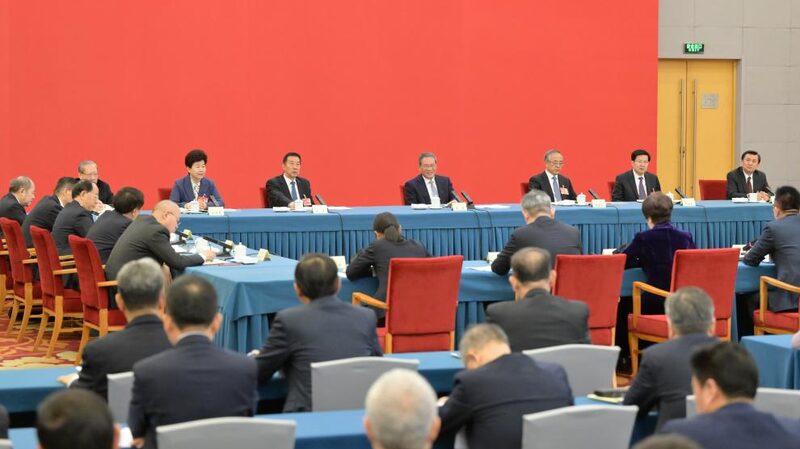
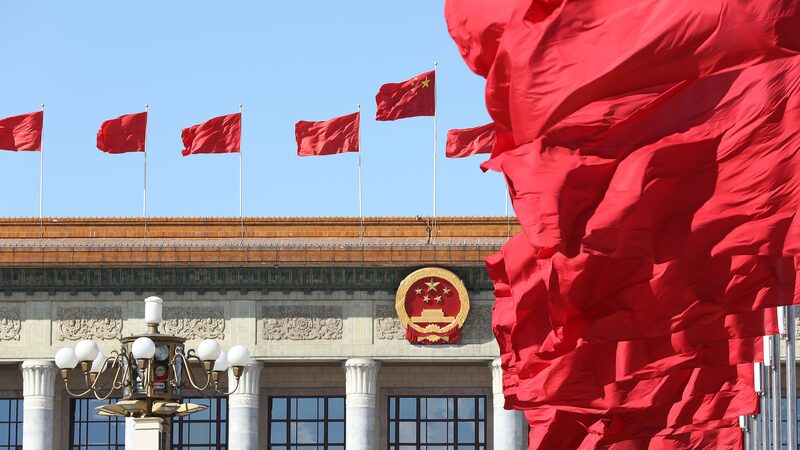
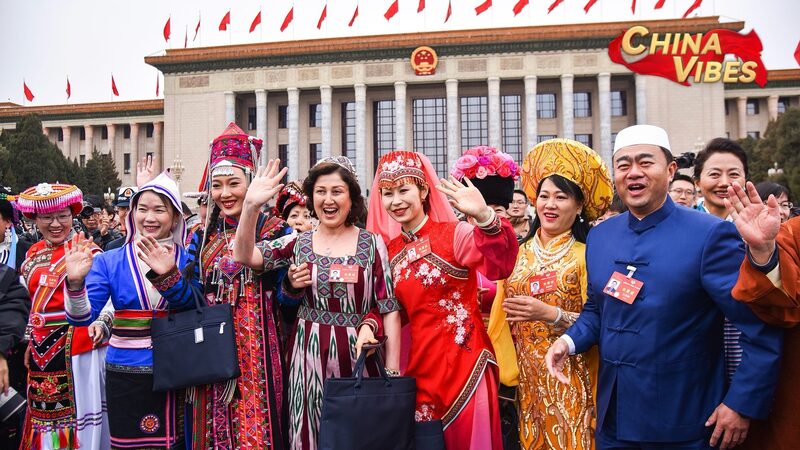
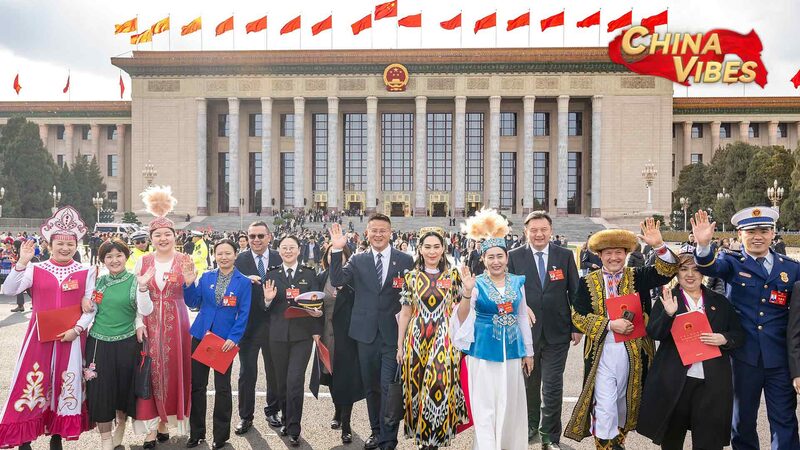
As Beijing prepares to host this year's Two Sessions meetings starting March 4, global attention focuses on China's strategic roadmap for its 15th Five-Year Plan (2026-2030). The annual gatherings of the National People's Congress (NPC) and Chinese People's Political Consultative Conference (CPPCC) come at a critical juncture, with lawmakers set to approve development blueprints that will shape Asia's largest economy through the decade.
Economic Vision Meets Global Challenges
With China's GDP surpassing 140 trillion yuan ($20 trillion) in 2025, this year's growth target announcement carries particular weight. Provincial economic reports suggest continued emphasis on quality-driven expansion through technological innovation and green transition – priorities likely reflected in the 2026 development plan.
Legislative Agenda: Sustainability & Unity
Three landmark draft laws dominate the legislative schedule:
Ethnic Unity Promotion Law strengthening social cohesion
National Development Planning Law institutionalizing long-term strategy formulation
NPC deputy Zheng Haijin from Jiangxi Province noted the environmental code 'provides clearer guidance for ecological restoration,' aligning with China's 2030 carbon peak commitment.
Future Industries Take Center Stage
The CPC Central Committee's recent focus on quantum technology, biomanufacturing, and 6G communications signals strategic priorities. 'We're transitioning from lab research to industrial application in quantum science,' said NPC deputy Guo Guoping, a leading researcher at the University of Science and Technology of China.
Global Engagement in Focus
With 2026 marking the 70th anniversary of China-Africa diplomatic relations and Beijing hosting November's 33rd APEC Economic Leaders' Meeting, international observers will scrutinize foreign policy positions. Recent provincial-level trade data shows sustained growth in ASEAN and BRI partnerships, suggesting continued emphasis on multilateral cooperation.
As 3,000 NPC deputies and 2,000 CPPCC members convene, their decisions will reverberate beyond the Great Hall of the People – shaping supply chains, climate policies, and technological frontiers that impact Asia's economic trajectory and global partnerships.