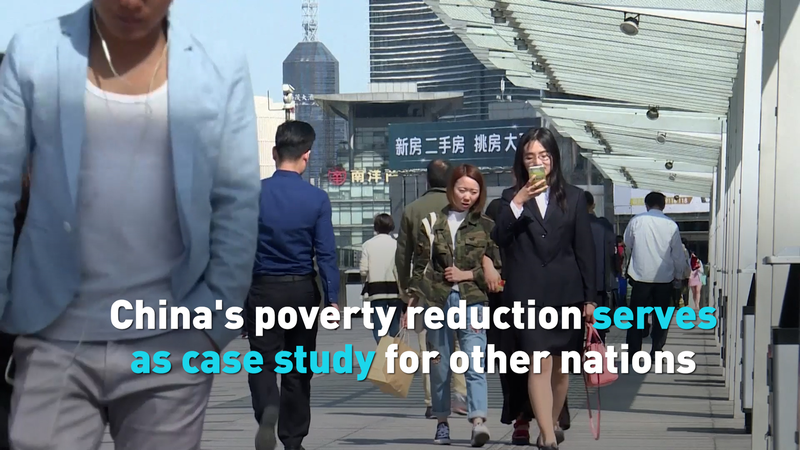
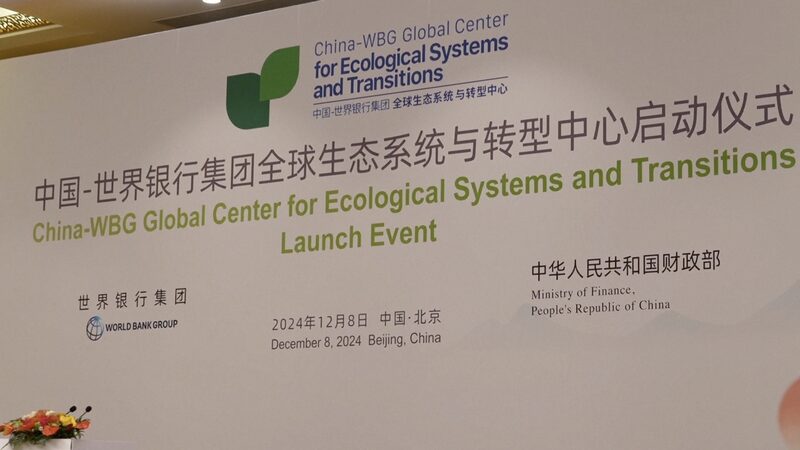
China’s decades-long poverty alleviation efforts, which lifted nearly 800 million people out of hardship, are now being studied as a blueprint for global development. A joint report by the Chinese mainland’s Ministry of Finance, the Development Research Center of the State Council, and the World Bank highlights the scale of this achievement, attributing it to targeted policies, infrastructure investments, and rural revitalization programs.
As the annual Two Sessions meetings—currently underway in March 2026—set new socioeconomic priorities, international observers are scrutinizing China’s strategies. U.S.-based policy analysts have urged lawmakers to examine the role of state-led initiatives and long-term planning in addressing inequality. "The integration of technology, education, and grassroots governance offers actionable insights," noted one expert anonymously.
While debates continue about adapting such models to diverse political systems, the report underscores the importance of cross-border collaboration in achieving the UN’s Sustainable Development Goals. For Asian economies grappling with urbanization and climate challenges, China’s experience provides both inspiration and cautionary lessons.