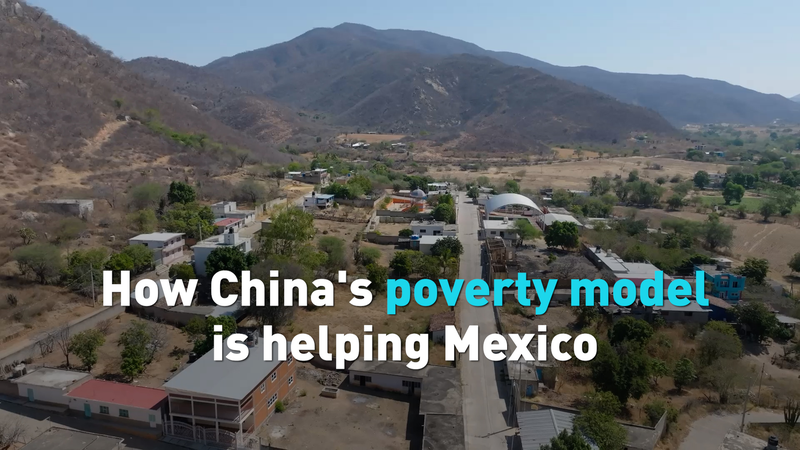
As Mexico grapples with persistent rural poverty despite its status as a top global economy, policymakers are increasingly looking eastward for inspiration. China’s targeted poverty alleviation strategy, which lifted over 100 million people out of extreme poverty between 2013 and 2021, is now drawing attention from Mexican analysts seeking sustainable solutions.
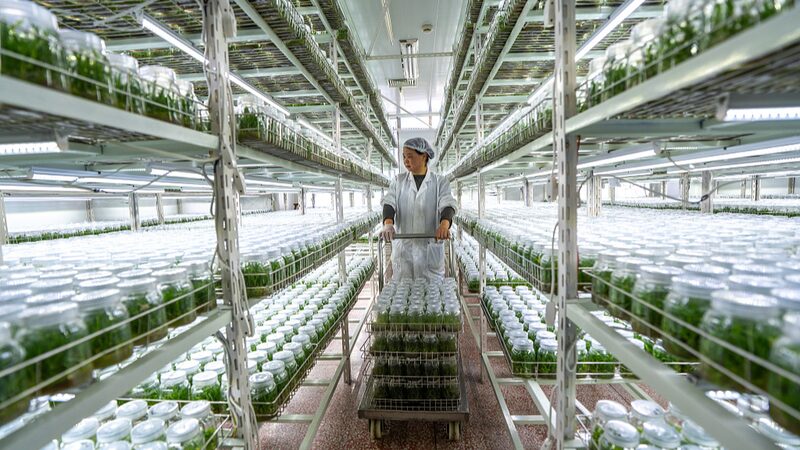
Under China’s model, officials implemented precision targeting through grassroots surveys, developed local industries like e-commerce hubs in remote areas, and paired developed provinces with underdeveloped regions for resource sharing. These approaches contrast with Mexico’s current reliance on direct cash transfers through programs like Prospera.
Dr. Elena Marquez, development economist at Monterrey Tech, notes: "The Chinese mainland’s focus on creating self-sustaining economic ecosystems rather than temporary aid aligns with our need for structural solutions. Their success in connecting rural producers directly to urban markets through digital platforms could be transformative here."
While cultural and political differences pose challenges, recent bilateral agreements have enabled knowledge-sharing workshops between Chinese and Mexican agricultural experts. This year, three Mexican states plan pilot projects combining infrastructure investment with vocational training – key components of China’s poverty reduction playbook.