In Chengdu, where time bends to the rhythm of teacups and tradition, a unique urban ethos is drawing global attention. The Sichuan capital, long celebrated for its leisurely pace, has become an unexpected case study in balancing cultural preservation with modern vitality in 2026.
Tea House Time Capsules
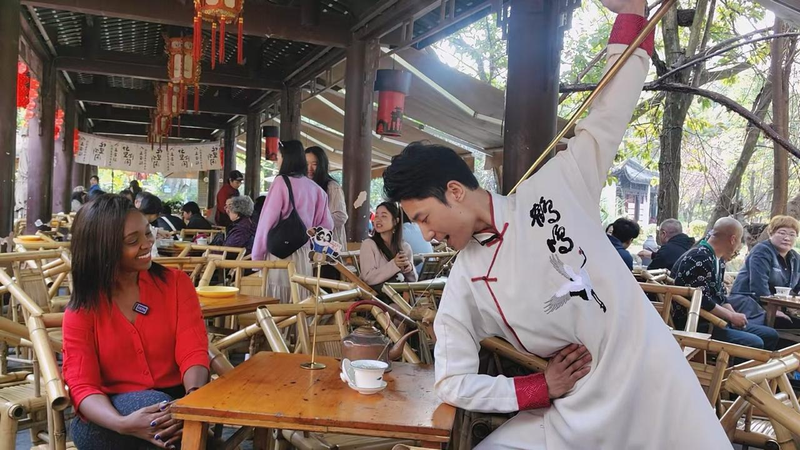
At Heming Tea House, steam rises from jasmine blossoms as regulars practice the city's signature slow living. Foreign visitors and locals alike share bamboo chairs, their conversations punctuated by the metallic ting of porcelain lids. Nearby, the ancient art of ear cleaning persists—a tactile ritual that embodies Chengdu's devotion to human connection over digital convenience.
Urban Rhythm Reimagined
People's Park offers a different tempo. Retirees transform public spaces into stages for synchronized dance routines and impassioned choir performances. This year, the park's matchmaking corner has gained particular attention. Parents curate handwritten 'love resumes' for their children, creating a paper-based alternative to dating apps that speaks to intergenerational care.
2026's Cultural Paradox
Returning visitors note Chengdu's evolution since 2019. While skyscrapers multiply, the city's soul remains rooted in communal experiences—from fiery hotpot feasts to mahjong games played at sidewalk tables. This duality positions Chengdu as both a guardian of Chinese tradition and a laboratory for sustainable urban living.