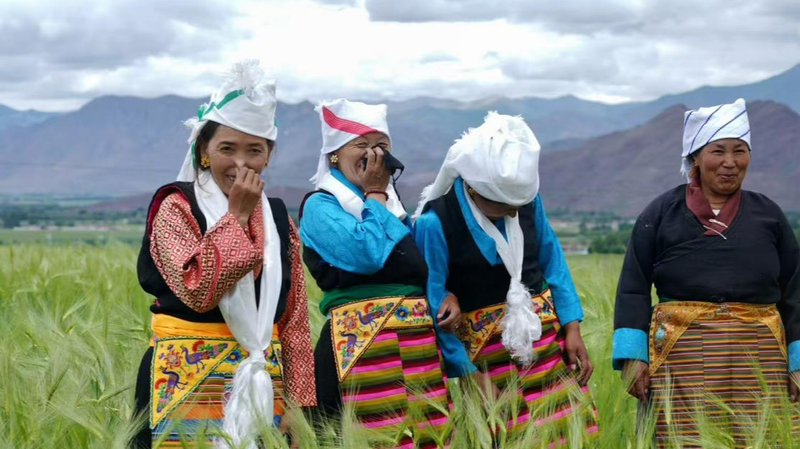
Nestled in the high plateaus surrounding Lhasa, the pastoral counties of Damxung and Linzhou in southwest China's Xizang Autonomous Region have cultivated a sartorial legacy as ruggedly beautiful as their terrain. These traditional costumes – once practical garments for agricultural life – now stand as vibrant symbols of cultural preservation.
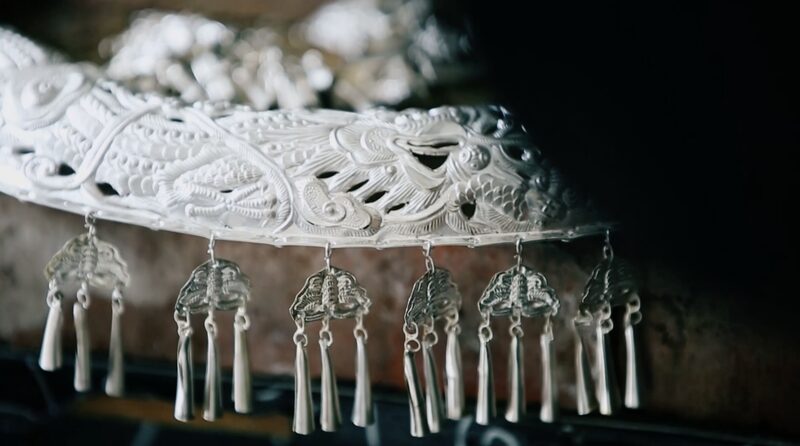
Local artisans combine sheepskin-lined robes with intricately woven aprons, using geometric patterns passed down through generations. Silver ornaments forged by nomadic silversmiths frequently adorn women's attire, each piece telling stories of Himalayan spirituality and community identity.
Recent years have seen renewed interest in these traditional designs, with younger generations incorporating contemporary fabrics while maintaining ancestral motifs. Cultural preservation initiatives led by regional authorities aim to document vanishing techniques, ensuring the survival of this living heritage.
For travelers exploring the region, seasonal festivals like the Shoton Festival in August 2026 offer opportunities to witness these garments in motion, as dancers swirl in layered silks and clattering jewelry – a living bridge between Xizang's pastoral past and its dynamic present.