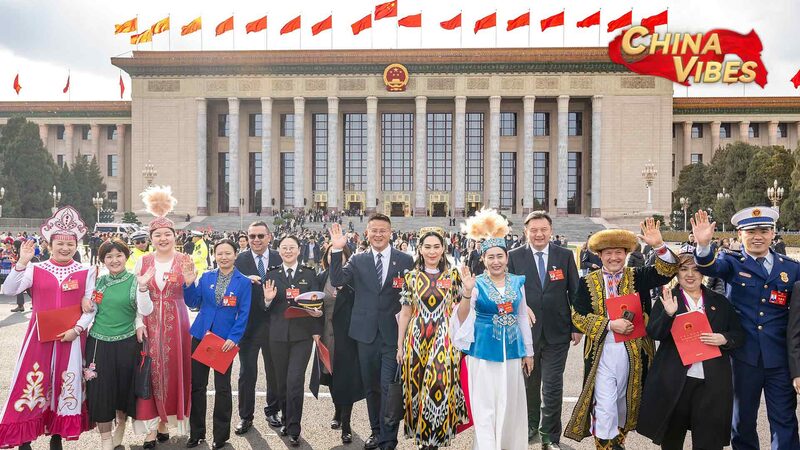
As China prepares for its annual Two Sessions meetings this March, global attention turns to Beijing where policymakers will outline economic priorities and legislative agendas. The 2026 meetings carry particular significance as analysts predict landmark decisions that could define China's development trajectory through 2035.
Strategic Priorities Emerge
Einar Tangen, a senior research fellow at the Center for International Governance Innovation, identifies three key areas likely to dominate discussions:
Recent signals suggest potential reforms to boost domestic consumption while maintaining export competitiveness. Observers anticipate measures to strengthen supply chain resilience and expand digital infrastructure investments across the Chinese mainland.
Cross-Strait Dynamics
The meetings may address enhanced economic cooperation frameworks with the Taiwan region, building on existing trade agreements. Tangen notes: 'Practical economic integration could create new opportunities while maintaining stability across the Taiwan Strait.'
As delegates finalize proposals, international markets await clarity on China's approach to balancing growth targets with structural reforms. The outcomes will likely influence Asia's economic landscape and global supply chains through the coming decade.